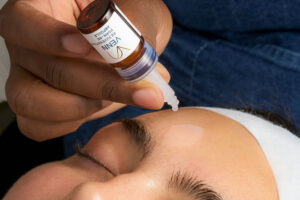
If you have been on skincare TikTok in the last six months, you have almost certainly seen the content. Someone applies a serum, massages it in, and within seconds their skin goes pink, tingly, and flushed. The caption reads: “microneedling in a bottle.” Comments flood in. Millions of views follow. The product at the centre of nearly every one of these videos is either a spicule serum or a spicule ampoule, and the ingredient category they belong to has been named by Cosmetics Business as one of the five most significant skincare trends of 2026.
But here is the thing nobody in those TikTok videos is telling you. You are literally rubbing microscopic sponge needles into your face. And whether that is a revolution or a risk depends entirely on your skin type, the product you choose, and whether you understand what is actually happening beneath the surface.
This article gives you everything. What spicules are, how they work at a biological level, what the science actually supports versus what is marketing, which products are worth trying in the UK right now, and critically, who should not go anywhere near this trend.
What Are Spicules in Skincare?
Spicules are microscopic, needle shaped crystalline structures derived from the skeletons of freshwater or marine sponges, most commonly a species called Spongilla. Under a microscope they look exactly as alarming as they sound: sharp, hollow, pointed rods measuring between 100 and 300 micrometres in length, composed of either calcium carbonate or silica depending on the sponge species and the processing method used.
They are not a new ingredient in science. Freshwater sponge extracts have been used in traditional medicine in parts of Asia for centuries, and dermatological researchers have studied spicule-based transdermal delivery since at least the early 2010s. What is new is their arrival in mass-market consumer skincare products and the viral marketing language that has followed.
On ingredient lists, you may see spicules listed as “sponge extract,” “hydrolysed sponge,” “Spongilla lacustris extract,” or simply “spicules.” The concentration varies enormously between products, and in 2026 the most sophisticated brands are beginning to specify concentration in spicules per millilitre, a genuinely useful piece of information that most products still do not disclose.
How Do Spicules Actually Work?
This is where things get interesting, and where the honest explanation diverges quite sharply from the marketing.
When you apply a spicule-containing product and massage it into the skin, those microscopic needle shaped particles physically penetrate the outermost layer of skin, the stratum corneum, creating thousands of tiny micro-channels as they go. These particles do not sit on the surface and dissolve the way a chemical exfoliant would. They physically lodge in the upper layers of the epidermis and remain there for up to 72 hours while the skin’s natural cellular turnover gradually sheds them.
Two things happen as a result of this.
First, the micro-channels created by the spicules temporarily increase the permeability of the skin. Active ingredients applied alongside or after the spicule product, such as vitamin C, niacinamide, or hyaluronic acid, can penetrate more deeply than they would through intact skin. This is the legitimate scientific basis for the “ingredient delivery” claims you see in marketing. It is real, and it is one of the reasons some spicule products pair the ingredient with high-quality actives designed to take advantage of that enhanced absorption window.
Second, the micro-channels trigger the skin’s wound-healing response. The body detects the physical disruption and responds by upregulating collagen synthesis and increasing epidermal cell turnover, the same basic mechanism that makes professional microneedling effective. The scale is fundamentally different: professional microneedling needles penetrate 0.5 to 2.5 millimetres into the dermis, while spicules create superficial micro-perforations in the epidermis measured in micrometres. However, the underlying biological principle is the same, and the collagen stimulation, while more modest, is genuine.
The inflammation you see in those TikTok videos, the redness, the tingling, the flush, is also real. It is your skin’s inflammatory response to a physical stimulus. Some of that apparent glow in the immediate aftermath is inflammation and increased blood flow, not collagen production. The distinction matters because one is a skin health outcome and the other is a temporary vascular response that can be mistaken for results.
Spicules vs Professional Microneedling: What Is the Actual Difference?
This comparison comes up constantly, and it deserves an honest answer rather than a dismissive one.
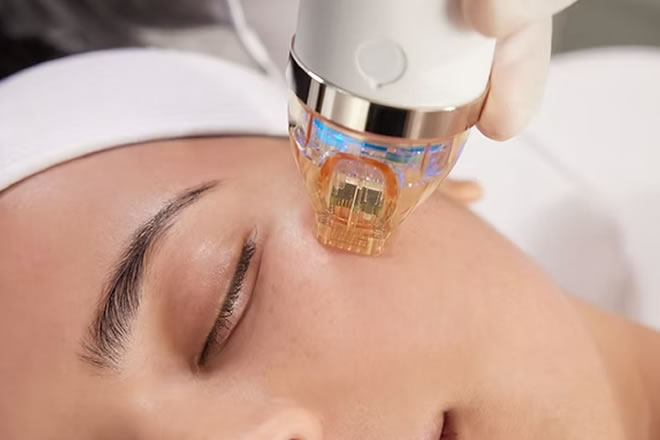
Professional microneedling uses sterilised needles on a regulated device, calibrated to a specific depth by a trained practitioner, to create controlled channels that reach the dermis where collagen-producing fibroblasts live. The depth can be customised for different skin concerns and different areas of the face. It is performed in a clinical setting with appropriate aftercare, and in the UK it falls under the regulated aesthetic treatments framework that has tightened significantly since 2023.
Spicule skincare creates superficial microperforations in the epidermis only. It does not reach the dermis. The depth cannot be controlled or calibrated because you are using your own fingers to massage a serum, and the particles are measured in micrometres rather than millimetres. There is no clinical oversight, no patch testing protocol enforced, and no practitioner to assess contraindications.
This does not make spicules useless. It makes them a different category of intervention entirely. A spicule serum used correctly two to three times a week can deliver genuine exfoliation, improved ingredient penetration, and mild collagen stimulation over time. It cannot replicate the structural collagen remodelling of professional microneedling. Treating them as equivalent is a marketing construct, not a scientific claim.
For serious skin concerns such as deep acne scarring, significant textural irregularity, or pronounced pigmentation, professional microneedling with a qualified practitioner remains the appropriate choice. Spicule skincare is genuinely useful for maintenance, surface renewal, and enhanced ingredient delivery between or instead of clinical treatments, depending on your skin’s needs and your budget.
The VT Reedle Shot, The Product That Started the Conversation
No discussion of spicule skincare in 2026 is complete without addressing the VT Cosmetics Reedle Shot, the product that put this ingredient category on the global map. It has accumulated over 100 million organic impressions across TikTok and YouTube and is now stocked at major beauty retailers internationally.
The Reedle Shot comes in four concentrations: 100, 300, 700, and 1,000 spicules per millilitre. This tiered system is one of the product’s genuinely smart design choices, allowing users to start conservatively and increase concentration as their skin adapts, rather than committing to the strongest formulation immediately.
The 100 version is the appropriate starting point for almost everyone. It pairs spicules with niacinamide and Centella Asiatica, which is an intelligent formulation choice since Centella supports the skin’s barrier recovery response and niacinamide addresses inflammation and pigmentation. These actives are specifically chosen to benefit from the enhanced delivery the spicules create, while also soothing the inflammatory response they trigger.
The 700 and 1,000 versions are marketed for experienced users but in reality they are likely too aggressive for most people using this at home without professional guidance. If you experience persistent redness, broken capillaries, or increased sensitivity after consistent use at lower concentrations, moving to higher concentrations is not advisable regardless of what the marketing suggests.
The Reedle Shot is available from ASOS and various K-beauty specialist retailers in the UK at around £25 to £45 depending on the size.
Other Spicule Products Worth Knowing in the UK in 2026
Beyond the VT Reedle Shot, the spicule category has expanded considerably in 2026 and several other formulations are now accessible in the UK market.
The OxygenCeuticals Spicule Ampoule Kit was originally developed for professional clinic use and represents a more controlled, clinical approach to the ingredient. It is now available through some UK aesthetic clinics for home maintenance use, though the professional version is still primarily practitioner-administered.
The Pestlo Spicule Reborn Peeling Mask combines spicules with green tea extract and mugwort in a rinse-off format. The mask format is worth considering for those who want the exfoliating and renewal benefits of spicules but prefer a shorter contact time than a leave-on serum provides. It also reduces the chance of layering other actives over still-active spicules, which can increase irritation risk.
The 9wishes Pine Perfect Ampule Serum pairs spicules with pine leaf, licorice root, and green tea extracts, making it a reasonable choice for anyone whose primary concern is hyperpigmentation and dullness. The brightening actives are well-matched to what spicule channels can deliver more effectively.
Who Should Definitely Try Spicule Skincare
Spicule skincare is genuinely well-suited to certain skin types and concerns, and for these people the results can be meaningful and consistent.
If you have oily or combination skin that tolerates exfoliation well, you are the ideal candidate. The mechanical exfoliation spicules provide clears the surface of accumulated dead skin cells, helps manage congestion without the dryness of some acid-based exfoliants, and the enhanced delivery channels allow sebum-regulating actives like niacinamide to work more effectively. People in this category often notice reduced pore appearance and a more even, refined skin texture within two to four weeks of consistent use.
If you wear heavy SPF daily (which you should be doing regardless), spicule exfoliation helps counteract the pore-congesting and surface-dulling effect that accumulated SPF residue can have, particularly if you are layering it over other products in a multi-step routine. Used twice weekly alongside thorough double cleansing, it keeps the skin surface clear and receptive.
If you are specifically trying to boost the efficacy of a high-quality active ingredient like vitamin C or retinol, the ingredient delivery enhancement spicules provide is legitimate. Applied as directed, a low-concentration spicule product used two to three times per week can meaningfully improve how well your existing treatment products penetrate the skin.
If you are in your 30s and building a preventative anti-ageing approach, the mild collagen stimulation spicules provide is a genuinely useful addition to a routine that already includes SPF, vitamin C, and a retinoid. Think of it as a low-intensity maintenance tool between occasional professional treatments.
Who Should Absolutely Avoid Spicule Skincare
This section is as important as everything above, and it receives far less attention in the viral content that has fuelled this trend.
If you have rosacea or chronically reactive skin, spicule skincare is not appropriate for you. The physical disruption to the skin surface triggers an inflammatory response that rosacea-prone skin is already primed to have. Persistent redness, broken capillaries, and flare-ups are realistic outcomes. The tingling sensation that other users describe as exciting is a warning signal for reactive skin, not a sign of efficacy.
If you have a compromised skin barrier, whether from over-exfoliation with acids, aggressive retinoid use, eczema, or dermatitis, do not use spicule products until your barrier is restored. A compromised barrier means the microperforations spicules create will drive irritants deeper rather than beneficial actives, and the wound-healing response your skin triggers will be harder to manage while the barrier is already struggling.
If you are already using a high percentage retinoid, a vitamin A derivative, or multiple exfoliating acids in your routine, adding spicules is likely to cause cumulative over-exfoliation. The skin needs recovery time between exfoliating interventions. Layering spicules on top of an already active retinoid or acid routine pushes past what most skin can manage without inflammation.
If you have active acne or open lesions, do not use spicule skincare. The micro-channels created can introduce bacteria and increase the risk of secondary infection. Wait until breakouts have healed before introducing this ingredient.
If your skin is perimenopausal, menopausal, or particularly dry and thin, approach with significant caution. Thinner, lower-density skin in this category is more vulnerable to barrier disruption and may not have the recovery capacity to handle repeated spicule exposure without cumulative sensitisation developing over time.
Spicule Skincare and Melanin-Rich Skin, What You Need to Know
This is a conversation that the mainstream coverage of spicule skincare almost entirely ignores, and that absence needs to be addressed directly.
Melanin-rich skin, including Black, brown, and deeper South Asian skin tones, is more prone to post-inflammatory hyperpigmentation (PIH). This means that any treatment or ingredient that triggers an inflammatory response carries a higher risk of leaving darkened spots or patches as the inflammation resolves. Spicule skincare, by design, triggers an inflammatory response. The tingling and redness are evidence of this.
This does not mean spicules are categorically off-limits for deeper skin tones. It means the approach needs to be more considered. Start with the lowest available concentration and use it no more than once a week initially. Pair it with a niacinamide formula rather than vitamin C during the adaptation period, since niacinamide is better tolerated and more directly addresses PIH. Monitor the skin closely after each use and stop immediately if you notice persistent redness or darkening in the days following application rather than the hours.

The brightening actives in some spicule formulations, particularly those containing licorice root, vitamin C, or tranexamic acid, are specifically relevant to hyperpigmentation concerns and represent an intelligent pairing. However, if the spicule component itself is causing inflammation that results in PIH, those brightening actives cannot overcome the underlying trigger.
The most cautious and effective approach for deeper skin tones is to consult a dermatologist or aesthetician with specific experience treating melanin-rich skin before starting spicule skincare, rather than following a viral trend that was primarily developed for and demonstrated on lighter skin tones.
How to Build Spicule Skincare Into Your Routine
If your skin fits the appropriate candidate profile and you want to try spicule skincare sensibly, here is how to do it without setting yourself up for a damaged barrier and a ruined routine.
Start with thorough cleansing using the double cleansing method. Residual makeup, SPF, and sebum on the skin surface when you apply spicules will be driven more deeply into the microchannels they create. You want a genuinely clean canvas before beginning.
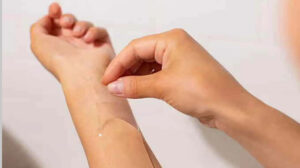
Apply the spicule product to dry skin using your fingertips. Use the minimum amount the product instructions specify for the first several uses, around 2 to 3 drops for a serum format. Massage very gently in circular motions for the time specified, typically 30 to 60 seconds. You do not need to be aggressive. The spicules do the physical work themselves.
Wait. This step is essential and widely skipped. After applying a spicule product, give the skin 15 to 20 minutes before applying anything else. The micro-channels are actively open during this window and driving other actives, particularly strong acids or high-concentration retinoids, through them during this period increases irritation risk significantly.
Apply a calming, hydrating next step. Centella Asiatica, panthenol, hyaluronic acid, and ceramide-rich formulas are ideal companions after spicule use because they support the barrier while the skin is in its recovery and renewal phase.
Do not use spicule skincare on the same evenings you use retinoids or acids. These are separate evenings in your rotation, not ingredients to layer on the same night.
Use 2 to 3 times per week at most, and always monitor your skin across the following 24 to 48 hours rather than immediately after application. Delayed redness or increased sensitivity in the days after use is a sign the frequency or concentration needs to be reduced.
The Ingredient Landscape Around Spicules in 2026
Spicules do not exist in isolation in the 2026 ingredient conversation. Understanding the broader landscape helps you understand where they fit and what to pair them with.
Beta-glucan is the barrier repair hero of 2026, with searches for the ingredient growing by 51% in the past year. Derived from fungi, bacteria, and algae, it has anti-inflammatory, barrier-supporting, and moisturising properties that make it an excellent pairing with spicule skincare. A beta-glucan-rich moisturiser applied after spicule use helps counteract the inflammatory response and supports the recovery phase.
Exosomes and PDRN (polydeoxyribonucleotide) are the other regenerative ingredients gaining significant professional and consumer attention in 2026. These are being incorporated into clinic-level post-procedure skincare designed specifically to support the skin after microneedling, laser, or energy-based treatments. As at-home spicule skincare grows, some brands are beginning to explore exosome and PDRN pairings for enhanced regenerative effect, though this space is still largely professional rather than consumer-facing.
Peptides remain one of the highest-growth skincare categories going into 2026, and they are one of the most logical actives to pair with spicule-enhanced delivery. A well-formulated peptide serum applied through the microchannels created by spicules penetrates more effectively than it would through intact skin, potentially amplifying the collagen signalling effects of both ingredients together.
Is “Microneedling in a Bottle” Worth Your Money?
Yes and no, and those two answers apply to different people.
For people with oily, combination, or resilient skin who already double cleanse thoroughly, use SPF daily, and want an at-home exfoliation and ingredient-delivery tool that goes beyond standard acids, spicule skincare is genuinely worth exploring. The mechanism is real, the results with consistent correct use are real, and at £25 to £45 for a bottle of the VT Reedle Shot, the price-to-efficacy ratio is reasonable by current skincare standards.
For people with sensitive, reactive, rosacea-prone, eczema-prone, very dry, mature, or barrier-compromised skin, the risk-to-reward ratio is poor. The inflammatory response spicules trigger is the feature for some skin types and the flaw for others. The viral content promoting this trend is not showing you the people who broke out, got a sensitivity flare, or developed PIH after using these products. It is showing you the tingling, the glow, and the before-and-after. That is not the full picture.
The question to ask yourself before buying is not whether spicules work. They do. The question is whether your skin is the type of skin that will benefit from this particular mechanism, or whether your skin type will pay the price for someone else’s results.
Frequently Asked Questions About Spicule Skincare
What is microneedling in a bottle?
“Microneedling in a bottle” is a marketing term for skincare products containing spicules, which are microscopic needle-shaped particles derived from freshwater marine sponges. When massaged into the skin they create tiny physical micro-channels in the outer layer, increasing ingredient penetration and triggering a mild collagen-stimulating wound-healing response. They replicate the biological mechanism of professional microneedling at a much more superficial level and without clinical oversight.
Are spicules safe for everyday use?
No. Spicule skincare is intended as a periodic treatment, not a daily product. Using it more than two to three times per week does not accelerate results and significantly increases the risk of over-exfoliation, barrier compromise, and chronic low-grade inflammation. Give your skin recovery time between sessions.
Does spicule skincare actually work?
Yes, for the right skin types used correctly. The micro-channels created by spicules genuinely increase the penetration of active ingredients applied after them, and the wound-healing response they trigger stimulates mild collagen synthesis. Results in terms of surface texture, brightness, and ingredient efficacy are measurable with consistent use over four to six weeks.
Can I use spicule skincare if I use retinol?
Not on the same night. If you use retinol as part of your routine, use it on alternate evenings to your spicule product. Applying both on the same night drives the retinoid through open micro-channels at higher concentration than intended, which increases the risk of significant irritation and retinoid dermatitis.
Which spicule concentration should I start with?
The lowest available, which for VT Reedle Shot is the 100 variant. Start once per week and assess your skin over the following 48 hours before increasing frequency. Most people should not exceed the 300 variant for home use without professional guidance.
Are spicules safe for dark skin tones?
With caution and lower concentrations, yes. The primary risk for melanin-rich skin is post-inflammatory hyperpigmentation (PIH) triggered by the inflammatory response spicules cause. Start conservatively, pair with a niacinamide formula to manage inflammation, and stop if you notice persistent darkening after use.
What is the difference between spicules and AHA or BHA exfoliants?
AHA and BHA exfoliants work chemically by dissolving the bonds between dead skin cells. Spicules work mechanically by physically creating micro-perforations in the skin surface. The effects overlap in terms of surface renewal and brightness but the mechanisms are completely different. Spicules also create ingredient delivery channels that chemical exfoliants do not.
Is VT Reedle Shot available in the UK?
Yes. The VT Reedle Shot is available in the UK through ASOS, various K-beauty specialist online retailers, and some beauty boutiques. Prices typically range from £25 to £45 depending on the size and concentration variant.
Read Also
What does microneedling do to your skin?
PDRN Skincare: Is Salmon DNA the Real Deal in 2026?