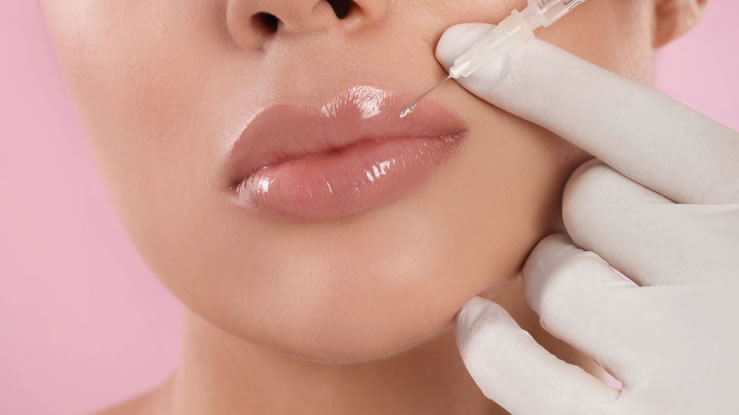
Lip fillers in the UK cost £200–£450 per session in 2026 and last 6–12 months. They use hyaluronic acid, which is dissolvable if you are unhappy with the result. Since 2023, lip fillers must be administered by or under the supervision of a registered healthcare professional in the UK. Always verify your practitioner’s credentials before booking, never choose on price alone, and insist on a consultation before any treatment.
Lip fillers in the UK cost between £200 and £450 per session in 2026 and are one of the most popular non-surgical cosmetic treatments in the country, with over 200,000 procedures performed annually according to the British Association of Aesthetic Plastic Surgeons (BAAPS). The treatment uses hyaluronic acid – a substance naturally found in the body – injected into the lips to add volume, improve shape, and define the lip border.
Done well by a qualified practitioner, lip fillers look natural and last 6–12 months. Done badly – or by an unqualified injector, they can result in lumps, migration, vascular complications, and results that are painful to reverse. This guide tells you everything you need to know before your first appointment: what to expect, what it costs, how to choose a safe practitioner, and what questions to ask.
What Are Lip Fillers and How Do They Work?
Lip fillers are injectable treatments that use hyaluronic acid (HA) gel to add volume, shape, and definition to the lips. Hyaluronic acid is a naturally occurring substance in the human body that attracts and retains water – it is the same ingredient found in many hydrating skincare serums.
When injected into the lips, the HA gel integrates with the surrounding tissue, adding fullness and structure. Because hyaluronic acid is biocompatible – meaning the body recognises and tolerates it – it is considered the safest filler material available for lip enhancement. It is also reversible: an enzyme called hyaluronidase can dissolve the filler completely if you are unhappy with the result or experience a complication.
The most widely used hyaluronic acid lip filler brands in UK clinics in 2026 are Juvederm (Allergan), Restylane (Galderma), Belotero (Merz), and Teosyal (Teoxane). All four are CE-marked or UKCA-marked medical devices, licensed for use in the UK. Each brand has a slightly different consistency and flow – an experienced practitioner will choose the product that best suits your anatomy and the result you are after.
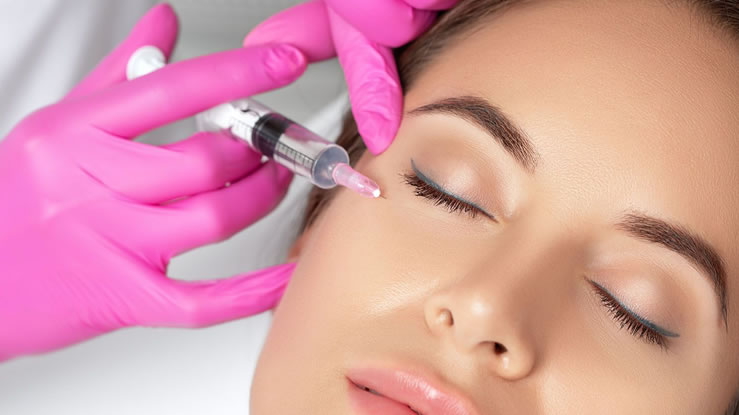
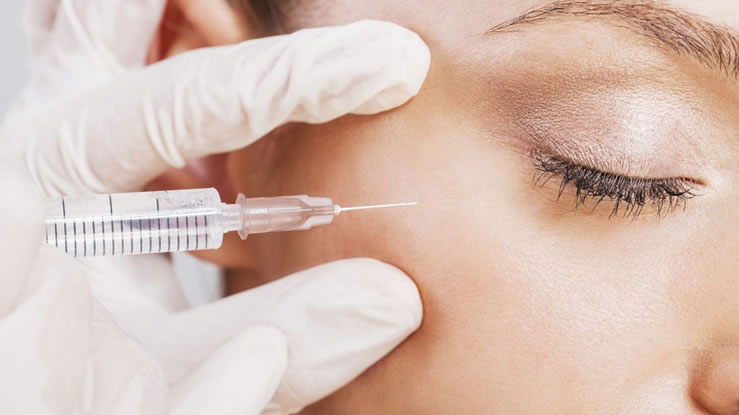
The treatment itself takes 15–30 minutes. A topical numbing cream is applied 20–30 minutes before the injections to minimise discomfort. Most patients describe the sensation as a mild sharp sting followed by pressure. Swelling is normal in the first 24–72 hours and does not reflect the final result – assess your outcome at the two-week mark, not the day after treatment.
How Much Do Lip Fillers Cost in the UK in 2026?
Lip fillers in the UK cost between £200 and £450 per session in 2026 for a reputable, medically-led clinic. The price varies by city, practitioner experience, and the amount of product used.
| City | Average Lip Filler Cost (1ml) | Notes |
|---|---|---|
| London (Central) | £350–£450 | Highest prices in the UK. Harley Street and Chelsea at the top end. |
| London (Outer) | £280–£380 | More competitive than central London for comparable quality. |
| Manchester | £220–£320 | Strong clinic competition keeps prices reasonable. |
| Birmingham | £200–£300 | One of the most affordable major cities for lip fillers. |
| Edinburgh | £240–£340 | Scottish cities slightly above Midlands pricing. |
| Bristol | £230–£330 | Growing aesthetic scene. Prices rising year-on-year. |
| Leeds | £200–£300 | Competitive market with good practitioner availability. |
| Liverpool | £200–£290 | Among the most affordable UK cities for qualified treatment. |
Most first-time patients have 0.5ml–1ml of filler. Some practitioners offer 0.5ml as a starter option, which costs approximately £150–£250 and is a sensible choice if you are nervous or want a subtle result. Be cautious of any clinic offering 1ml of lip filler for under £150 – at that price point, the product, practitioner qualifications, or both are almost certainly being compromised.
A follow-up review at two weeks should always be included in the quoted price. At this appointment, minor asymmetries are corrected and you have the opportunity to discuss the result with your practitioner.
What Happens at a Lip Filler Consultation?
A lip filler consultation is not optional – it is a legal requirement in the UK under the Health and Care Act 2022 regulations that came into force in September 2023. Any clinic that offers to administer lip fillers without a prior consultation is operating illegally and should be avoided immediately.
At a legitimate consultation, your practitioner should cover all of the following:
Medical history review.
Certain conditions and medications affect suitability for lip fillers. Active cold sores (herpes simplex) are a contraindication – treatment can trigger an outbreak and the virus can spread into the filler. Blood thinners, some supplements, and autoimmune conditions also affect candidacy. A thorough medical history must be taken before any treatment is agreed.
Your goals and expectations.
A good practitioner listens to what you want, shows you reference photographs, and gives you an honest assessment of what is achievable. They should also tell you if your expectations are not realistic for your anatomy – this is a sign of clinical integrity, not poor service.
Product choice.
Your practitioner should explain which filler product they plan to use and why. You are entitled to know what is being injected into your body.
Risk explanation.
Common risks including bruising, swelling, asymmetry, and lumpiness should be explained. Serious but rare risks including vascular occlusion – where filler blocks a blood vessel – must also be discussed. A practitioner who skips this conversation is cutting corners.
Written consent.
You must sign a consent form before treatment. Read it carefully. Never sign consent at the same appointment as your treatment – a reputable clinic will give you time to consider.
Important: Under UK regulations introduced in 2023, a registered healthcare professional must be involved in prescribing and overseeing all aesthetic injectable treatments including lip fillers. If your consultation is conducted by a receptionist or beauty therapist with no medical background, this is a red flag.
What Results Can You Realistically Expect From Lip Fillers?
Realistic expectations are the foundation of a good lip filler experience. Social media has created a distorted picture of what lip fillers look like in real life – the heavily enhanced lips seen on Instagram are typically the result of multiple sessions, large volumes of product, and heavy photo editing, not a single 1ml treatment.
For a first-time patient having 0.5ml–1ml of lip filler at a reputable UK clinic, the realistic results are:
Subtle volume increase
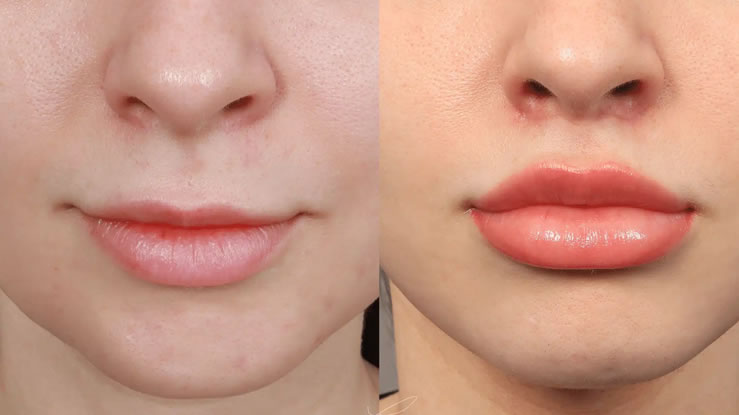
A first treatment with 0.5ml adds a noticeable but natural-looking improvement in volume. Most people’s friends will not be able to identify the change – they will simply think you look well or slightly different. 1ml gives a more visible result that is still natural for most lip types.
Improved lip border definition
Hyaluronic acid filler can sharpen and define the cupid’s bow and lip border, improving the outline of the lips without dramatically changing their size.
Improved lip symmetry
If your lips are naturally asymmetrical – one side fuller than the other, or the upper lip significantly smaller than the lower – filler can balance them. This is one of the most satisfying uses of lip filler and one of the least dramatic-looking.
Reduced fine lines around the mouth
A small amount of filler placed in the vermilion border can soften the fine “lipstick bleed” lines that develop around the mouth with age.
What a single first treatment will not do: give you dramatically large lips if you do not naturally have them, permanently change your lip shape, or replicate results you have seen on heavily edited social media photographs.
How Long Do Lip Fillers Last in the UK?
Lip fillers in the UK last 6–12 months on average, depending on the filler product used, the volume injected, your individual metabolism, and your lifestyle. The lips are a high-movement area of the face – we speak, eat, and make expressions thousands of times per day – which means filler breaks down faster here than in less mobile areas like the cheeks or jaw.
Factors that affect how long lip fillers last:
Metabolism
People with faster metabolisms break down hyaluronic acid more quickly. Some patients find their filler lasts only 4–5 months; others find it persists beyond 12 months. There is no reliable way to predict this before your first treatment.
Filler product
Denser, more cross-linked hyaluronic acid gels (such as Juvederm Volbella or Restylane Kysse) tend to last longer in the lips than lighter formulations. Your practitioner should choose the product appropriate for your goals.
Volume injected
Larger volumes last longer, simply because there is more material to break down before the result is lost. However, more volume is not always better – the result must suit your anatomy.
Exercise and lifestyle
High-intensity exercise accelerates metabolism and may reduce filler longevity. Sun exposure and smoking also break down hyaluronic acid faster.
Repeat treatments
Patients who maintain regular lip filler treatments over 1–2 years often find they need less frequent top-ups, as a degree of collagen stimulation around the injection sites contributes to maintained lip structure.
What Are the Risks of Lip Fillers and How Common Are They?
Lip fillers are safe when administered by a qualified practitioner using licensed products. The majority of complications arise from treatment by unqualified injectors, counterfeit products, or poor technique. Understanding the risk spectrum helps you make an informed decision.
Common side effects (expected and temporary):
- Swelling – affects almost all patients and peaks at 24–48 hours. Resolve completely within 5–7 days.
- Bruising – affects approximately 30–50% of patients. Resolves within 5–10 days. Avoid blood thinners, alcohol, and high-dose vitamin E for 48 hours before treatment to reduce bruising risk.
- Tenderness at injection sites – normal for 24–48 hours.
- Asymmetry immediately after treatment – normal due to swelling. Assess at two weeks, not the day after.
Less common complications (manageable with prompt treatment):
- Lumps or nodules – can occur if the filler is not evenly distributed. Treatable with massage or, if persistent, hyaluronidase dissolution.
- Cold sore trigger – patients with a history of herpes simplex should take prophylactic antiviral medication before treatment. Discuss this with your practitioner.
- Tyndall effect – a bluish discolouration visible through the skin if filler is placed too superficially. Treatable with hyaluronidase.
Rare but serious complications:
- Vascular occlusion – the most serious risk of lip filler. This occurs when filler is accidentally injected into or compresses a blood vessel, cutting off blood supply to surrounding tissue. Symptoms include immediate intense pain, white or mottled skin, and delayed skin darkening. This is a medical emergency. A qualified practitioner must have hyaluronidase immediately available and know how to administer it. If you experience these symptoms during or after treatment, tell your practitioner immediately and seek emergency medical attention if they are not present.
- Infection – rare with sterile technique. Signs include increasing redness, warmth, pain, and swelling beyond 5 days post-treatment. Contact your practitioner or GP immediately.
According to a 2023 audit published by the Aesthetic Complications Expert (ACE) Group, vascular occlusion occurs in approximately 1 in 10,000 lip filler treatments performed by qualified practitioners in the UK – a very low rate, but one that underscores why practitioner qualifications matter above all else.
How to Choose a Safe Lip Filler Practitioner in the UK
Choosing a safe lip filler practitioner is the single most important decision in the entire process. More than any other factor – more than the brand of filler, the clinic’s aesthetics, or the price – the qualifications and experience of your injector determine your safety and your result.
Follow these steps:
Verify registration. Doctors: gmc-uk.org. Nurses with prescribing rights: nmc.org.uk. Dentists: gdc-uk.org. Enter your practitioner’s full name. If they are not registered, do not book.
Check Save Face accreditation. The Save Face register (saveface.co.uk) lists only qualified healthcare professionals working in clinical environments who have agreed to a strict code of practice. It takes 30 seconds to search.
Ask about their vascular occlusion protocol. This is the most important safety question you can ask. A qualified, competent practitioner will answer immediately and in detail: they carry hyaluronidase, they know the vascular anatomy of the lips, and they know exactly what to do in an emergency. A practitioner who seems uncertain or dismissive about this question is not safe to treat you.
Ask to see portfolio photographs. Look specifically for before-and-after photographs of patients with similar lip anatomy to yours. Natural-looking results from a variety of starting points indicate genuine skill.
Do not choose based on price. Lip fillers under £150 in the UK in 2026 are almost never a good deal. The cost of a single 1ml syringe of licensed hyaluronic acid filler alone is £80–£120 to the clinic. Add practitioner time, clinic overheads, insurance, and consumables – a legitimate treatment cannot be delivered profitably much below £200.
What Should I Do Before and After Lip Filler Treatment?
Preparation and aftercare significantly affect both your result and your recovery time.
Before your appointment
- Avoid alcohol for 24–48 hours before treatment – alcohol thins the blood and increases bruising risk
- Avoid aspirin, ibuprofen, and high-dose vitamin E supplements for 48 hours before treatment for the same reason
- Do not have treatment during an active cold sore outbreak – wait until fully resolved and inform your practitioner of your history
- Drink plenty of water in the days leading up to treatment – well-hydrated skin responds better
- Arrive with clean lips, no lipstick or lip balm
After your appointment
- Expect swelling for 24–72 hours – this is normal and does not reflect your final result. Do not judge the outcome until the two-week mark
- Apply a clean ice pack (wrapped in a cloth) to the lips for 10–minute intervals in the first few hours to reduce swelling
- Avoid kissing, drinking through straws, or any significant lip pressure for 24 hours
- Avoid strenuous exercise for 24–48 hours
- Avoid saunas, steam rooms, and direct sun exposure for 48 hours
- Do not wear lipstick or lip gloss for 24 hours
- Sleep on your back with your head slightly elevated on the first night if possible
- Contact your practitioner immediately if you experience any increasing pain, white or mottled skin around the lips, or vision changes, these require urgent attention
Can Lip Fillers Be Dissolved?
Yes, this is one of the most important safety advantages of hyaluronic acid lip fillers over other filler materials. Hyaluronidase is an enzyme that dissolves hyaluronic acid filler quickly and completely. A qualified practitioner can dissolve your filler at a review appointment if you are unhappy with the result, or as an emergency treatment if a vascular complication occurs.
Dissolving typically takes 1–2 appointments. The lips return to their pre-treatment appearance within 1–2 weeks of dissolution. Some patients choose to dissolve and redo their filler with a different technique or volume if they are unhappy with their initial result – this is a perfectly normal part of the process.
Ensure before booking that your practitioner carries hyaluronidase on-site and is trained in its use. This should be non-negotiable.
Frequently Asked Questions About Lip Fillers in the UK
Q: How much do lip fillers cost in the UK in 2026?
Lip fillers in the UK cost £200–£450 per session in 2026 for a reputable clinic with a qualified prescriber. London is the most expensive city at £350–£450 for central clinics. Birmingham, Leeds, and Liverpool are the most affordable major cities, averaging £200–£300. Never choose a clinic offering lip fillers under £150 – at that price point, corners are almost certainly being cut.
Q: How long do lip fillers last?
Lip fillers last 6–12 months on average, depending on the filler product used, your metabolism, and your lifestyle. The lips are a high-movement area, so filler breaks down faster here than in other facial areas. Regular maintenance treatments every 6–9 months are typical for most patients.
Q: Do lip fillers hurt?
Most patients describe lip filler treatment as mildly uncomfortable rather than painful, particularly with a topical numbing cream applied 20–30 minutes before the procedure. The lips are a sensitive area and you will feel the injections, but the discomfort is brief and very manageable for the majority of patients.
Q: Can lip fillers look natural?
Yes – when the right volume is used for your lip anatomy by an experienced practitioner. A first treatment with 0.5ml–1ml of hyaluronic acid should produce a subtle, natural-looking improvement. Very large, obviously enhanced lips are the result of multiple sessions and large volumes of product – not a typical first treatment outcome.
Q: What is the minimum age for lip fillers in the UK?
The minimum age for lip fillers in the UK is 18. It is illegal for a practitioner to administer aesthetic injectable treatments to anyone under 18 in the UK, regardless of parental consent. This was confirmed under the Health and Care Act 2022.
Q: What should I do if I am unhappy with my lip fillers?
Contact the clinic immediately and request a review appointment. At two weeks post-treatment, once swelling has fully resolved, your practitioner can assess the result and make corrections. If you are still unhappy after this, you can request dissolution with hyaluronidase, which will return your lips to their pre-treatment appearance. Do not attempt to massage out lumps yourself without guidance from your practitioner.
Lip fillers in the UK are safe, effective, and reversible when administered by a qualified practitioner using a licensed hyaluronic acid product. The most important decision you will make is who injects you – not which clinic has the most attractive pricing or the most Instagram-worthy waiting room. Verify your practitioner’s registration, ask about their vascular occlusion protocol, insist on a consultation before treatment, and never let price be your primary deciding factor. Done right, lip fillers are one of the most satisfying and natural-looking treatments available in UK aesthetics in 2026.
Related articles on Glow Cosmetology: