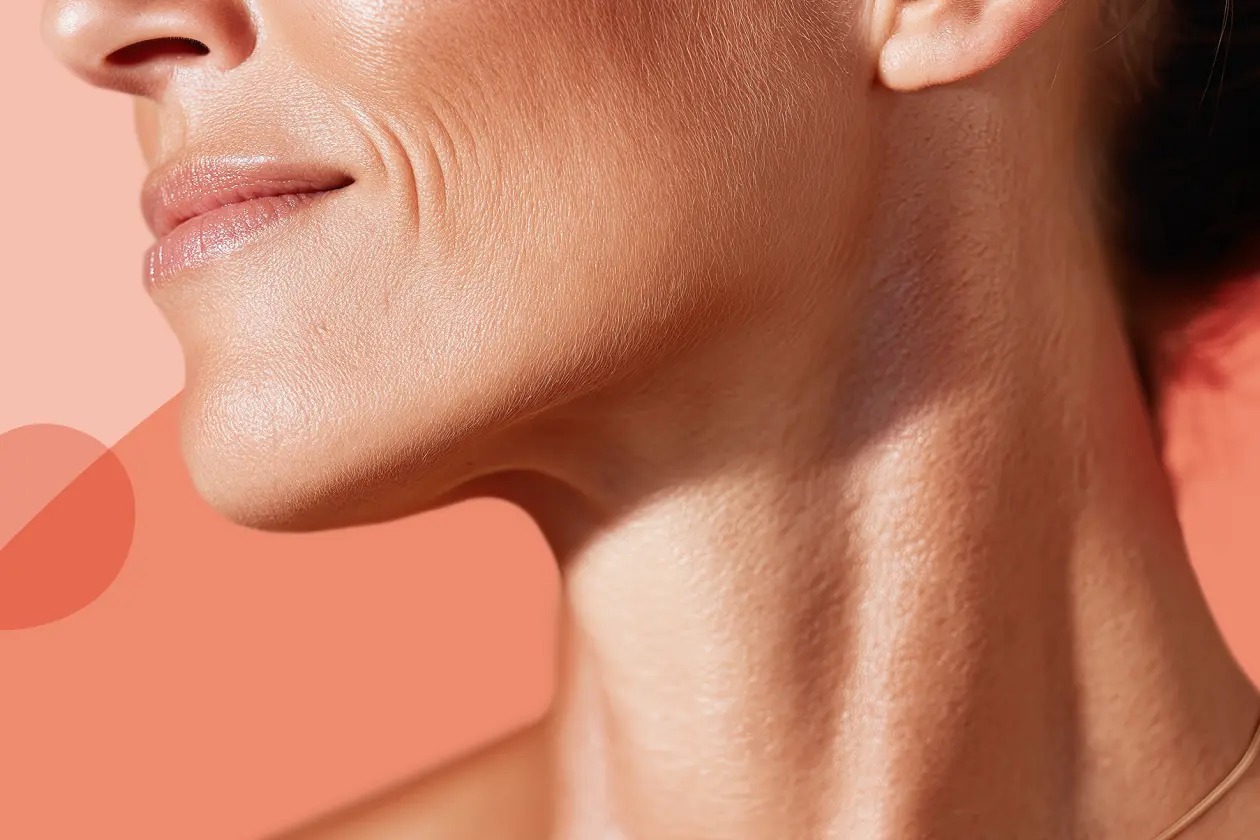
Anti-aging is no longer the goal. The new beauty question is: how do I keep my skin functioning, comfortable, and visibly healthy for longer That shift has a name, skin longevity, and it is not limited to your face. People are taking the facial routine they already know (cleanse, exfoliate, treat, moisturize, protect) and applying it to their bodies and scalps. Body wash now carries actives. Body lotion now carries retinol. Your shoulders, arms, and legs are getting a routine.
This guide covers what is driving the trend, which ingredients earn a place in a skin longevity skincare routine, and how to build one you can screenshot today. It also flags where the hype outruns the evidence.
Anti Aging Is Out. Skin Longevity Is In.
For years, skincare marketing talked about fighting, reversing, and erasing. The new vocabulary is calmer: barrier health, resilience, texture, glow, comfort. It treats skin as something you maintain for decades, not something you rescue when the first line appears.
The search data shows real curiosity. A K-Beauty Skincare Trend Index published November 12, 2026 found that “longevity” had the largest 12-month rise among U.S. skincare claims, up 39.2 points on Google Trends’ 0–100 scale. The index analyzes Google Trends data to track which skincare claims and ingredients are gaining ground.
The wider market is moving too:
- Search volume: KWS Trends estimates U.S. searches for “skincare” at about 1.4 million a month, up 51% from the prior 12 months.
- Prestige sales: Circana reported U.S. prestige beauty at $25.5 billion through September 2026. Skincare generated $7.4 billion, grew 7% in dollars, and posted double-digit unit growth.
- Mass sales: U.S. mass beauty reached $57.4 billion, up 7%, with skincare and fragrance leading.
Here is the part most trend pieces skip: a rising search term tells you what people are curious about, not what works. Interest is a signal about demand. It is not evidence about performance.
The word is spreading fast. On November 6, the Estée Lauder Companies launched a Mastering Skin Longevity science platform across its brands. Yet a November 11 Fortune analysis argued that while the science is legitimate, understanding how skin ages does not prove that every product marketed around it can change that process. A word that fits every product tells you nothing about any single one. A useful longevity product still has to name a specific job: support the barrier, smooth texture, reduce dryness, protect from the sun.
Why PDRN Is Getting So Much Attention
PDRN is the ingredient riding the longevity wave hardest. In the same K-Beauty Skincare Trend Index, PDRN had the largest 12-month rise in U.S. Google search interest among serum ingredients, up 16.8 points. Peptides rose 9.8 points, copper peptides 9.3, and retinal 7.8.
The surprising part: a newer ingredient out-climbed peptides, copper peptides, and retinal, all of which are already familiar to shoppers. Attention and evidence are different things.
What it is, simply
PDRN stands for polydeoxyribonucleotide. In skincare it usually refers to polynucleotides derived from salmon DNA. You will find it in some professional treatments and in some cosmetic serums.
Why it fits the longevity story
PDRN is marketed around repair, regeneration, and skin quality. Those words match the longevity mindset almost perfectly, which is exactly why it is spreading fast.
Rising search interest does not mean PDRN is proven to work for every skin concern.
It does not mean it reverses aging, and it does not mean any one product will deliver visible change for you. Search data measures attention. It cannot measure results.
What the research says so far: a systematic review of randomized trials on polynucleotides and PDRN, published in July 2026, found support for regenerative potential but described the evidence as limited by small studies and inconsistent protocols. Dermatologists quoted in the press, including London consultant dermatologist Dr. Magnus Lynch, say the evidence is strongest for injectable treatments and much thinner for topical serums.
What a cautious shopper should look for
- Transparent formulation: the brand tells you what is in the product and why.
- Realistic claims: language about supporting skin quality or comfort, not promises of transformation.
- A patch test: apply a small amount to a discreet area before using it on your face.
- Professional advice: if your skin is sensitive, reactive, or compromised, ask a licensed esthetician or dermatologist before adding anything new.
If you are curious about PDRN, treat it as an optional extra layered on a solid base. It should never replace the basics below.
Read Also>>>Anti Aging Skincare: 9 Brilliant Products
The Body Is the New Face
Body care used to mean fragrance and a quick slather after the shower. Now it is becoming treatment-led, and the numbers back that up.
- Sales: Circana reported that U.S. prestige body-care sales rose 16% in the first half of 2026, supported by body cleansers, body lotions, and deodorants.
- Firming interest: Spate data cited by Cosmetics Business, which combines Google searches, TikTok views, and Instagram posts, shows interest in “body firming cream” up 45% year over year and “firming body lotion” up 31%, for the year ended August 2026.
The cultural shift behind the data is simple. People no longer want a body product that only smells good. They want one that addresses texture, tone, dryness, firmness, and glow. That is the same checklist most of us already apply to facial skincare.
Pinterest calls it “Skinvested”
The Pinterest Beauty Trend Report 2026, published October 6, 2026, names this behavior “Skinvested”: body and scalp care borrowing facial-skincare-style routines. Pinterest compared July 2025 with July 2026 and found these global search increases:
Search term | Global growth |
|---|---|
| Body wash for glowing skin | +206% |
| Body care routine aesthetic | +202% |
| Dry brushing routine | +147% |
| Retinol body lotion | +144% |
| Healthy skin barrier | +71% |
| Glycolic acid body wash | +23% |
| Scalp detox | +21% |
These are global Pinterest search-growth figures, so they show worldwide interest rather than U.S. results. They describe what people are saving and exploring, not what products deliver.
The surprising detail is at the top of the list. The fastest-growing term is a body wash, the least glamorous step in the shower. The cleansing step is being treated as a chance to do something for your skin, not just rinse it.
What these signals can and can’t tell you
Lay the data side by side and an important difference appears. Search tools measure curiosity. Pinterest measures what people save and plan. Circana measures what people actually buy.
For body care, those signals agree: prestige body-care sales grew 16% in the first half of 2026 while firming interest climbed. For “longevity” and PDRN, the data in this article shows only the curiosity side. Interest is a strong early signal, but it is the start of a trend, not proof of one that lasts. Treat anything you read in this space, including this article, with that in mind.
The Ingredients That Actually Fit a Longevity Routine
You do not need all of these. Pick the ones that match your concern, and add them one at a time.
| Ingredient | What it may help with | Best format | Important caution |
|---|---|---|---|
| Ceramides | Barrier support and dryness | Moisturizer, body lotion | Formula and overall routine matter |
| Niacinamide | Barrier support, visible tone and texture concerns | Serum, moisturizer, body lotion | Patch test if sensitive |
| Glycolic acid | Rough texture and dullness | Body wash, toner, lotion | Introduce gradually; AHAs can raise sun sensitivity, so use sunscreen |
| Retinol | Texture, tone, and visible signs of aging | Facial serum or body lotion | Start slowly; avoid aggressive layering |
| Peptides | Supportive moisturizing and firming positioning | Serum or moisturizer | Evidence varies by peptide and formula |
| PDRN | Emerging “regenerative” positioning | Serum or professional treatment | Search interest is not proof of efficacy |
Read the table top to bottom: the most dependable ingredients are the least dramatic, and the buzziest one carries the biggest caution. Most cautions are about pacing and pairing. A good ingredient used too often, or stacked with three others, can leave skin sore.
The 4-Step Skin-Longevity Routine
Here is a skin longevity routine you can screenshot. It is deliberately short, because a routine you keep beats a routine you admire.
Morning
- Gentle cleanser
- Targeted treatment, if needed
- Barrier-supporting moisturizer
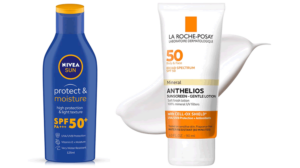
- Broad-spectrum SPF 30 or higher on exposed skin
Evening
- Gentle cleanser
- One active, introduced gradually
- Barrier-repair moisturizer
Body
- Gentle cleanser or targeted exfoliating body wash
- Retinol body lotion, only if appropriate and introduced slowly
- Ceramide-rich body moisturizer
- Sunscreen on exposed areas
A practical example
If your goal is smoother body skin, start with a gentle cleanser, use a glycolic-acid body product once or twice weekly, then follow with a ceramide-rich moisturizer. Do not start retinol, glycolic acid, and physical scrubbing on the same day.
Timing helps too. Cleveland Clinic dermatologist Dr. Amy Kassouf advises applying moisturizer within three minutes of showering, while skin is still damp.
The detail most people miss
Look at the evening routine again: it has exactly one active. That is on purpose. In a longevity routine, restraint is the strategy. Skin that is calm and comfortable handles the rest of your routine better than skin that is tight, stinging, or flaking.
Sunscreen appears twice for a reason. The AAD notes that retinoids make skin more sensitive to sunlight, and the FDA says AHA products can raise sunburn risk for up to a week after you stop. The AAD recommends broad-spectrum, water-resistant SPF 30 or higher. The market is moving the same way: Circana reported prestige sun care sales up 19% in the first half of 2026.
How to Shop Without Getting Fooled
Trend seasons produce a lot of new labels. Circana expects holiday beauty shoppers to splurge selectively, which makes this holiday skincare trends season a good time to run every product through five checks.
- Choose specific claims over dramatic promises. “Helps with dry, rough texture” is a claim you can judge. “Transforms your skin” is not.
- Check whether the active and concentration are disclosed. A brand that tells you what is inside and how much is easier to trust.
- Buy for one clear concern, not a vague “anti-aging” promise. Dryness, dullness, rough texture, and sun protection are real concerns with real options.
- Avoid stacking multiple strong exfoliants and retinoids on the same day. More active steps do not mean faster results.
- Treat “longevity” as a routine philosophy, not a guarantee. No product promises younger skin, and none should.
FAQ
Is skin longevity the same as anti-aging?
Not quite. Anti-aging usually focuses on visible signs such as lines and texture. Skin longevity is a broader goal: keeping your barrier strong, your skin comfortable, and its appearance healthy over time. The two overlap, and many products straddle both. The difference is mindset. Longevity favors consistency, gentleness, and sun protection over chasing a dramatic result, and it applies to your body and scalp as much as your face.
Does PDRN work?
The honest answer is that it depends, and search interest does not settle it. PDRN is positioned around repair and skin quality, and it appears in some professional and cosmetic products. But rising popularity is not proof it works for every concern. Look for realistic claims and transparent formulas, patch test first, and talk to a licensed professional if your skin is sensitive or compromised.
Can I use retinol on my body?
Many people do, and retinol body lotion is a fast-rising search topic. It may help with texture, tone, and visible signs of aging. Start slowly, perhaps a couple of nights a week, and avoid layering it with glycolic acid or physical scrubs on the same day. Use sunscreen on exposed areas. The AAD advises against retinoids during pregnancy, and if you have eczema or psoriasis, check with a dermatologist first.
What is the most important step in a skin-longevity routine?
Consistent protection. Daily broad-spectrum sunscreen of SPF 30 or higher on exposed skin, paired with a barrier-supporting moisturizer, does more for long-term skin comfort and appearance than any single trending ingredient. Actives are useful, but they work best on skin that is calm and protected. If you add only one habit, make it daily sunscreen.
You Might Like>>>PDRN Skincare: Is Salmon DNA the Real Deal in 2026?
Skin longevity is not about finding one miracle molecule. It is about protecting your barrier, using actives strategically, staying consistent, and extending the same intelligence to your body that you already give your face.