
Kiehl’s has been around since 1851, which is an extraordinary amount of time to stay relevant in any industry, let alone beauty. It occupies a particular position in the skincare market: premium enough to feel like a genuine upgrade from a drugstore haul, but not so eye-wateringly expensive that it sits entirely beyond reach. A tub of the Ultra Facial Cream retails at around £28. The Avocado Eye Cream sits at £38. That is real money, and people want to know if it is money well spent.
Rather than relying solely on brand marketing or curated press reviews, we went to where skincare lovers give their most unfiltered opinions. The threads gathered responses from real users with real skin and real opinions, positive, negative, and everything in between. Here is what they actually said.
What Kiehl’s Is and Why It Sits at This Price Point
Before getting into individual products, it is worth understanding what Kiehl’s actually is and why it costs what it costs. Kiehl’s was originally an apothecary in New York City and has been owned by L’Oreal since 2000. It is a mass-premium brand, meaning it is manufactured and distributed at scale by one of the world’s largest beauty conglomerates, but sold with premium positioning and a higher price point than standard drugstore ranges.
This context matters because it appeared directly in the discussions. One person noted that both Kiehl’s Better Screen UV Serum and the Auto Tone Discoloration UV Serum are apparently a dupe for each other, with another user responding that rather than being a dupe, they are likely the same formula with different claim ingredients, since both brands are owned by L’Oreal. This kind of behind-the-scenes industry reality is the sort of thing marketing copy will never tell you, and it shapes how some people feel about paying a Kiehl’s price for what may be a shared formulation.
A separate commenter went further, suggesting that Kiehl’s ingredient lists show silicone and denatured alcohol sitting in the first two to five positions for many of their moisturisers, describing these as filler ingredients that are not genuinely skin-improving and noting that denatured alcohol can actively strip the skin barrier. This criticism was echoed by others who felt that Kiehl’s formulations were stronger 20 or more years ago and that the current range does not justify its price point for the ingredient quality delivered.
These are legitimate criticisms worth knowing before you spend. They do not represent every user’s experience, but they represent a thread of opinion that kept reappearing across both communities.
The Products People Genuinely Love
Despite the concerns about pricing and formulation, the Kiehl’s discussions were far from entirely negative. Several products attracted consistent, enthusiastic recommendations that cut across multiple users and skin types.
Kiehl’s Ultra Facial Cream
This is the product that comes up most often, and the sentiment around it is more consistently positive than almost anything else in the Kiehl’s range. Multiple users described it as their holy grail daily moisturiser, and the specific use cases they described are worth noting.
One user in r/SkincareAddicts described reaching for the Ultra Facial Cream specifically when their skin feels dry or irritated after using a retinoid, describing it as the product that reliably calms and rehydrates the skin barrier after a stronger active has done its work. Another user said it is fantastic for cold dry winter nights, positioning it as a particularly strong seasonal performer for anyone in a cold or low-humidity climate. A third described it as a great simple moisturiser for the PM, noting that it is non-greasy, non-stinging, and calm on the skin, describing it as cheap per millilitre in the large tub format during promotional periods.

One consistent caveat that appeared in the Ultra Facial Cream discussion is worth flagging: at least one commenter noted that Kiehl’s reformulated the product at some point, and that they could no longer confidently recommend it because their experience with the new formula differed from the original. If you previously used and loved the Ultra Facial Cream and stopped because the formula felt different, this community perception may explain why.
The Ultra Facial Cream tends to suit dry and normal skin types best. Users with oily or combination skin more commonly pointed towards the Ultra Facial Gel Cream as their preferred option from the same range, with one commenter specifically noting that the gel formula helps with oil control and shine during the day.
Kiehl’s Avocado Eye Cream
This is the second most consistently praised product across both threads. Multiple users singled it out as the one Kiehl’s product they could justify buying repeatedly, even when they felt less enthusiastic about the brand’s other offerings.
One commenter described it as the only Kiehl’s product from which they ever saw real results, specifically mentioning a noticeable difference in fine lines and the skin under their eyes becoming significantly less dry, to the extent that their concealer longevity improved. They added that despite struggling to justify the price for regular purchase, a QV cream applied under the eyes does not produce the same cosmetic elegance, acknowledging the visible difference the Avocado Eye Cream made even while looking for a dupe.

Another user described it as a dream drink for that area of the face, with their skin no longer flaking after consistent use. A commenter with specifically dry skin noted that it is their go-to for the eye area and that they can apply it all the way around the eye socket rather than just under the eye. Another user confirmed that their husband uses the eye cream, toner, and face lotion as his entire skincare routine and has never been persuaded to switch.
The Avocado Eye Cream appears to be particularly strong for dry and mature skin types where intensive hydration around the eye area is the primary concern. It is less commonly recommended for those whose main eye concern is puffiness, dark circles, or pigmentation rather than dryness.
Kiehl’s Better Screen UV Serum
The sunscreen options from Kiehl’s generated notably positive commentary in both threads, and the Better Screen UV Serum in particular stood out.
Multiple users praised the Better Screen UV Serum for its texture, specifically its ability to sink into the skin quickly, leave zero white cast, and sit beautifully under makeup. One commenter described applying it as their first layer over moisturiser and noted that their makeup sits beautifully on top of it as well. Another described it as so gentle and hydrating that it is like drinking water for your skin, and mentioned using it under the eyes.
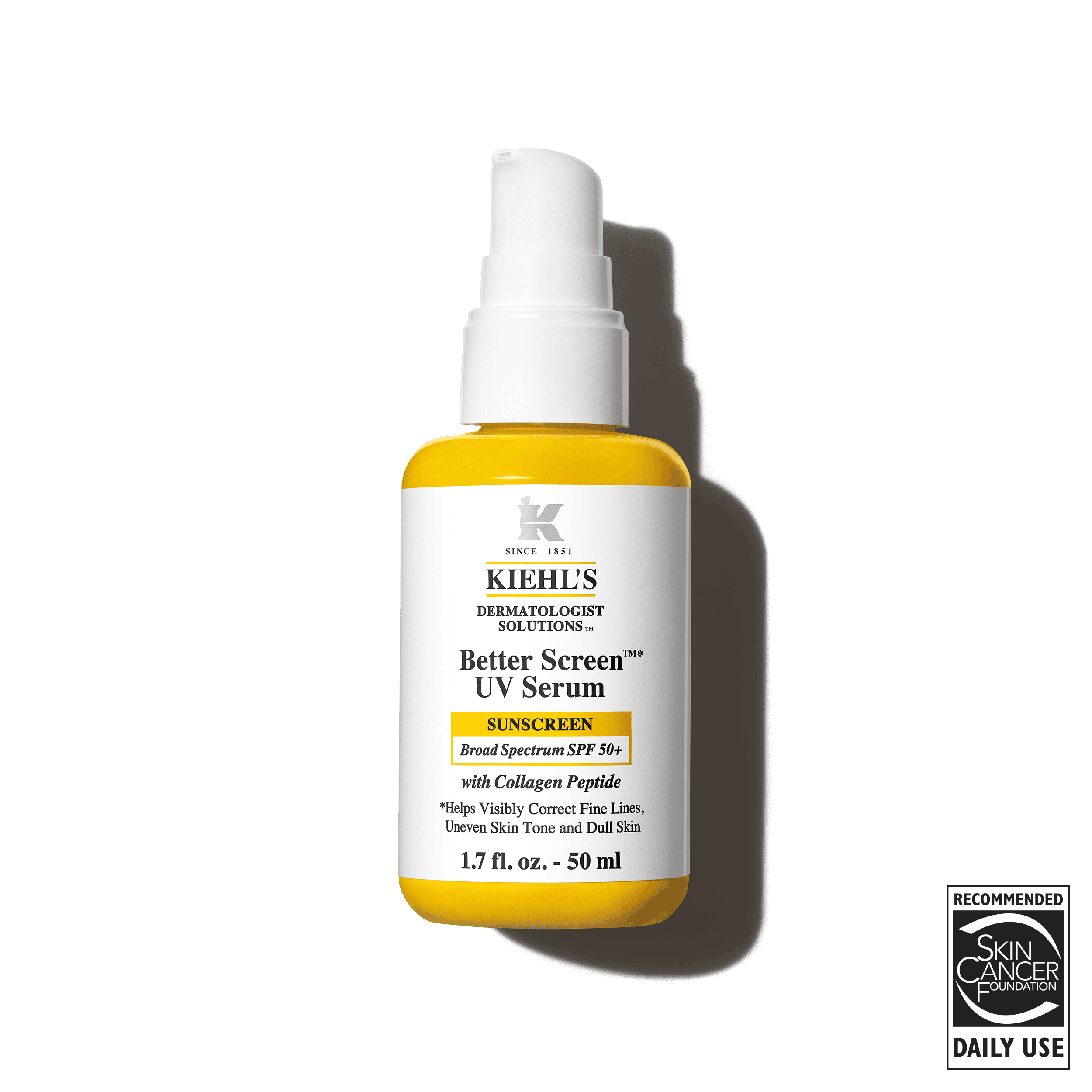
One distinction that appeared in the thread is worth knowing: Kiehl’s also makes the Ultra Facial Sunscreen (in a jar), which received a much less positive reception, described by one user as extremely greasy and stinging to the eyes. The Better Screen UV Serum and the Ultra Facial Sunscreen jar appear to be meaningfully different products in texture and experience despite both being sun protection, and the consensus points strongly towards the Better Screen Serum formulation as the superior choice.
It is also the product most frequently described as the user’s holy grail within the Kiehl’s range, a word choice that suggests a level of loyalty beyond simple satisfaction.
Kiehl’s Clearly Corrective Dark Spot Solution
This product came up primarily in the context of users who treat multiple concerns simultaneously and want a brightening and dark spot treatment that works reliably over time. It was mentioned alongside the Triple Acid Daily Peel and the Ultra Moisturiser as part of a three-product rotation that at least one user said they return to consistently.
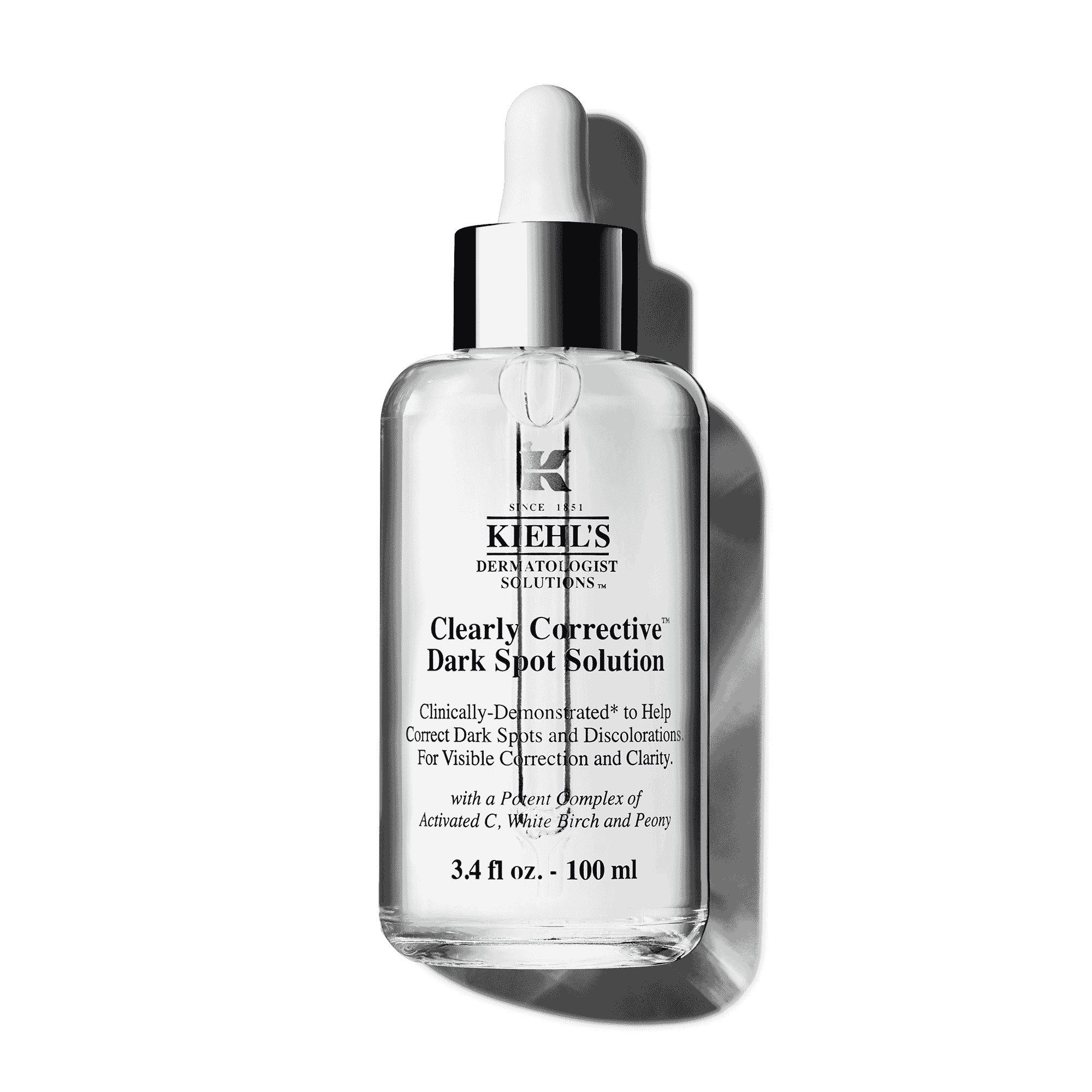
While it did not attract the volume of specific commentary that the Ultra Facial Cream or Avocado Eye Cream received, the users who mentioned it spoke about it as a product they buy repeatedly rather than one they are still evaluating. Repeat purchase behaviour is one of the most honest signals of product satisfaction, and it showed up clearly in how Clearly Corrective was discussed.
The Products That Divided Opinion or Disappointed
Not everything in the Kiehl’s range earned positive commentary. Several products attracted either mixed reactions or outright disappointment from communities, and understanding which ones underperformed is at least as useful as knowing which ones impressed.
Kiehl’s Calendula Face Wash and Calendula Water Cream
The Calendula range generated the most mixed reaction of any Kiehl’s line discussed. One user described the Calendula Face Wash as a staple that cleanses without drying the skin, but found similar results from a Korres Greek Yoghurt Cleanser at a lower price point. Regarding the Calendula Water Cream, the same user said they did not believe it did anything to reduce redness and that it actually made their skin look more oily rather than calming or treating it as claimed.
This is a meaningful distinction because the Calendula range is often positioned as Kiehl’s answer to sensitive, reactive, or redness-prone skin. If the Water Cream is not delivering on that specific promise for some users, those with redness or reactive skin concerns should approach it with caution and look for more targeted alternatives.
Kiehl’s Midnight Recovery Oil
The Midnight Recovery Oil attracted a comment from one user who tried it when they were 16 and “burning their barrier off” with other harsh products, suggesting it became associated in their memory with a period of damaged skin rather than recovery. One commenter also noted they tried the Midnight Oil and it was simply not for them, without elaborating on a specific reaction.
One user flagged that the Avocado Eye Cream gave them milia, which are small white keratin-filled cysts that can develop under the eyes when a product is too heavy or occlusive for the skin around the eye area. This is worth knowing for anyone with skin that tends towards milia formation, which is more common in some skin types than others.
Kiehl’s Acne Range
At least one user reported that trying Kiehl’s acne-targeted products caused their skin to break out more rather than less, which is the opposite outcome from what any acne range should deliver. This experience did not appear widely enough in the discussion to be a consensus finding, but for anyone specifically considering Kiehl’s for acne management, it is worth approaching with some caution and potentially sampling before committing to a full-size purchase.
The Price Question: Is Kiehl’s Overpriced?
This is the question that ran through both threads as an undercurrent throughout every product discussion, and the community was genuinely divided on it.
One commenter put it plainly: there are other products that do the same thing for less. When pressed on which products, their response was to ask what product the person was considering and what their target skin goal was, pointing out that Kiehl’s are not the only brand making products for any given concern. This is a fair and useful framing. Kiehl’s is not unique in what it addresses, and cheaper alternatives exist for most of their product categories.
A contrasting position came from a user who described themselves as someone who used budget skincare for most of their life and said they will gladly pay for Kiehl’s products, adding that they feel lucky to have been gifted most of what they own from the brand. Their sunscreen is this user’s holy grail and they described the moisturiser and hydrating face wash as beautiful as well.
One practical tip emerged from the pricing discussion: Kiehl’s runs promotions where 30% off sitewide is available, and buying the Ultra Facial Cream in the large tub format during those promotions brings the cost per millilitre down to a level that multiple users described as genuinely competitive. If you buy Kiehl’s at full price in small sizes, you are paying the most expensive version of what you could be paying for the same product.
Another user noted that TJ Maxx in the US regularly stocks Kiehl’s face cleanser, moisturiser, and avocado eye mask sets, particularly around Christmas, which brings the cost down considerably. In the UK, similar discounted sets sometimes appear at TK Maxx and on Amazon during seasonal sales. Buying Kiehl’s strategically at sale price or in larger sizes significantly changes the value calculation.
A critical but measured summary came from one commenter who described Kiehl’s as having solid basic products with nothing groundbreaking among them. Their view was that no one using these products would be disappointed, but they would not discover anything that fundamentally changes their approach to skincare either. That is, perhaps, the most honest framing of what Kiehl’s offers: reliable, pleasant, well-formulated basics with genuine heritage and quality control, sold at a premium that is not always justified by the formulation complexity.
What Kiehl’s Does Better Than Drugstore Brands
To give a genuinely balanced picture, it is worth being specific about where Kiehl’s tends to outperform lower-priced alternatives, based on what the communities identified rather than brand claims.
Texture and sensory experience came up repeatedly. Multiple users described Kiehl’s products as feeling pleasant, non-greasy, and comfortable in a way that drugstore alternatives sometimes do not match. The Better Screen UV Serum’s skin-sink finish and the Ultra Facial Cream’s non-stinging formula were both mentioned specifically in this context. For some users, particularly those with sensitive skin that reacts to many common formulations, finding something that feels right on the skin and does not sting, peel, or cause congestion is worth paying more for once you have found it.
Consistency and reliability also appeared as themes. Long-term Kiehl’s users tended to describe returning to the same products repeatedly rather than chasing alternatives, suggesting that the products maintain their performance over time and that users trust them to behave predictably with their skin. This is genuinely valuable for people who have spent money on products that seemed promising and then caused problems.
Who Should Buy Kiehl’s and Who Should Look Elsewhere
Based on everything the communities shared, here is an honest guide to whether Kiehl’s belongs in your routine.
Kiehl’s is likely worth it for you if your skin is dry, sensitive, or has struggled to find a daily moisturiser that hydrates effectively without stinging or feeling heavy, if you have found drugstore eye creams insufficient for genuinely dry or ageing skin around the eye area, if sunscreen texture has put you off wearing SPF consistently (the Better Screen UV Serum repeatedly changed minds on this), and if you buy strategically during Kiehl’s promotions or in larger sizes rather than paying full price for small formats.
Kiehl’s is probably not worth the premium for you if your skin is oily, acne-prone, or tends to react to heavy formulations, if you are ingredient-savvy and the presence of denatured alcohol in the higher positions of their moisturiser lists is a concern for you, if you are comfortable doing product research and finding effective drugstore alternatives for specific concerns, and if you expect breakthrough, transformative results rather than reliable, well-executed basics.
The one product that earns the most unambiguous endorsement across both communities, skin types, and user profiles is the Better Screen UV Serum. If you are going to try one Kiehl’s product, the evidence from these communities points there. The Avocado Eye Cream comes in as a close second, particularly for dry or mature skin types, with the caveat about milia risk for those prone to it.
The Ultra Facial Cream is genuinely excellent for dry skin but warrants checking whether the current formulation matches your expectations if you previously had a different experience with it. The Calendula range is a skip for anyone whose primary concern is redness or reactive skin, based on the community feedback.
Frequently Asked Questions About Kiehl’s
Is Kiehl’s owned by L’Oreal?
Yes. Kiehl’s was acquired by L’Oreal in 2000. It operates as a standalone brand with its own heritage and formulation identity, but is manufactured and distributed within the L’Oreal group. This is relevant to discussions about pricing, since L’Oreal also owns La Roche-Posay, CeraVe, and other brands at lower price points, some of which may share formulation approaches.
What is the best Kiehl’s product to buy first?
Based on community consensus across multiple skincare forums, the Better Screen UV Serum is the most consistently recommended starting point for most skin types. For those whose primary concern is dry or ageing skin around the eyes, the Avocado Eye Cream is the alternative starting recommendation. Both products attracted repeat-purchase loyalty rather than one-time positive reviews.
Is the Kiehl’s Ultra Facial Cream good for oily skin?
Generally no, based on user experience shared in skincare communities. The Ultra Facial Cream is most consistently recommended for dry to normal skin types. Users with oily or combination skin more commonly pointed to the Ultra Facial Gel Cream as the better option within the same range, specifically for its oil control and lighter daytime texture.
Does Kiehl’s test on animals?
Kiehl’s products are sold in mainland China, where until recently some domestic regulations required animal testing for imported cosmetics. This has been a concern for some consumers. L’Oreal has publicly committed to ending animal testing across its brands as regulations change, but the current status varies by market and product category. If this is a priority concern for you, checking the latest position directly with Kiehl’s customer service is recommended for the most accurate and current answer.
Are there cheaper alternatives to Kiehl’s Ultra Facial Cream?
Yes. The communities most commonly mentioned CeraVe Moisturising Cream and Biossance Squalane Cream as products delivering similar moisturisation at a lower price point. The specific alternative depends on your skin type and what you are trying to achieve. Community members with dry skin found CeraVe comparable for daily hydration, while those seeking a more premium feel at a lower price point leaned towards Biossance.
Is the Kiehl’s Better Screen UV Serum a good sunscreen?
Based on community feedback from r/SkincareAddicts and r/SkinbarrierLovers, it is one of the most consistently recommended sunscreens in the premium skincare category, specifically praised for its non-greasy texture, immediate skin absorption, zero white cast, and compatibility with makeup worn over it. It is notably different from Kiehl’s Ultra Facial Sunscreen jar, which received less positive feedback.
Does Kiehl’s Avocado Eye Cream cause milia?
It has caused milia in at least some users, based on community reports. Milia are small white cysts that can form when a product is too rich or occlusive for the skin around the eye area. If you are prone to milia, patch testing is especially important before committing to regular use of any rich eye cream, including this one.
You Might Like