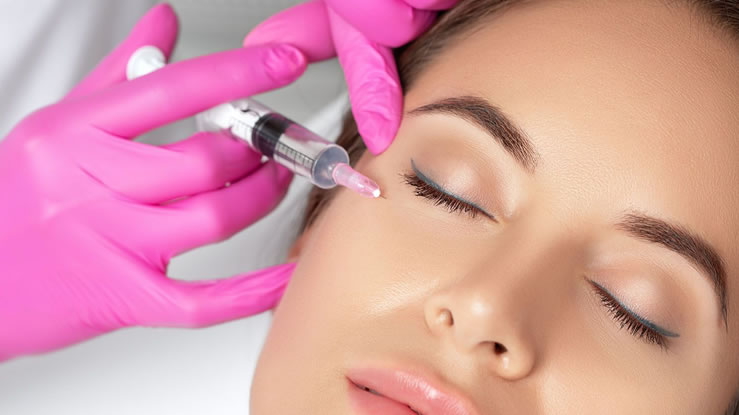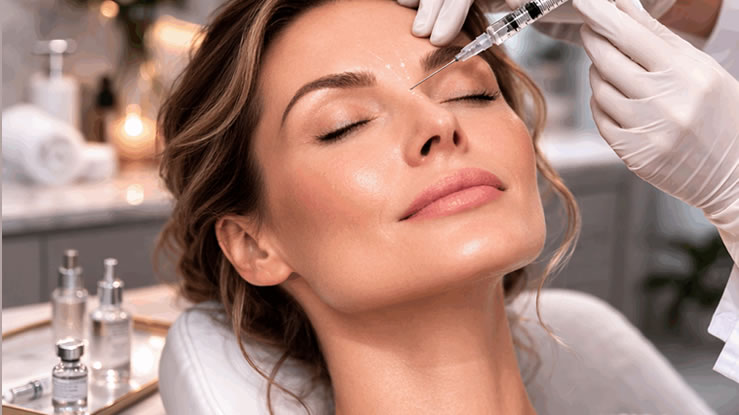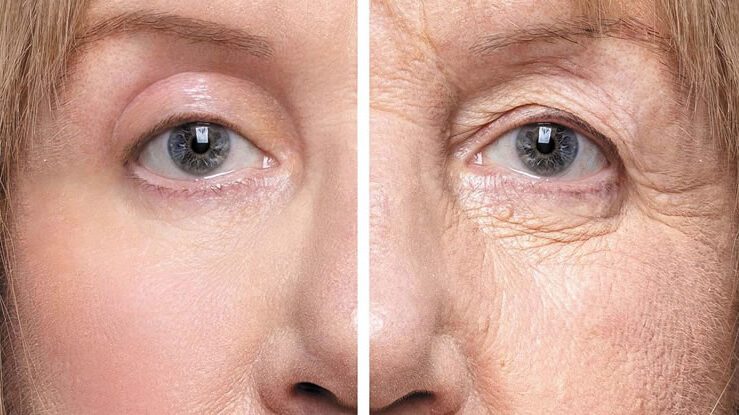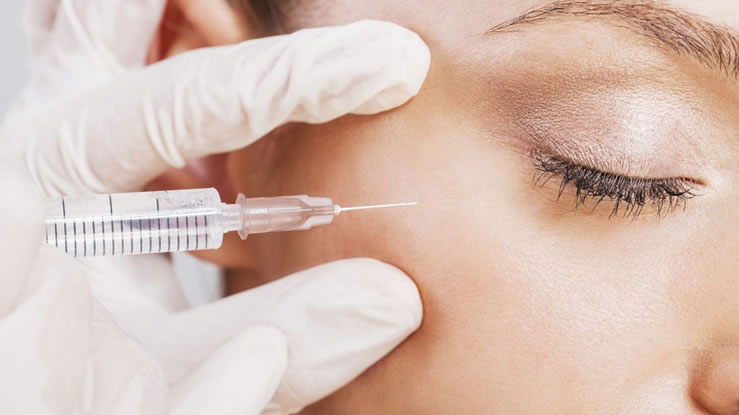
Skin booster injection is a micro injection of hyaluronic acid delivered into the skin (not under it) to deeply hydrate, improve texture, and restore a healthy glow. They are not the same as dermal fillers. In the UK, a course of three sessions costs £600-£900 and results last 6-9 months. They suit almost all skin types and ages, but are particularly effective for dry, dull, or early ageing skin. Always use a CQC-registered clinic with a qualified prescriber.
Skin booster injections in the UK cost £200-£350 per session in 2026 and are one of the fastest, growing aesthetic treatments in the country, with search interest up over 180% in the past 12 months according to Google Trends data. Unlike traditional dermal fillers, which add volume and structure beneath the skin, skin boosters work within the skin itself, delivering deep hydration, stimulating collagen, and improving overall skin quality from the inside out.
If you have noticed your skin looking dull, feeling dehydrated despite your skincare routine, or losing the plumpness it had a few years ago, skin boosters may be exactly what you are looking for. This guide explains what they are, how they work, who they are best suited to, what they cost across the UK, and what to expect from your first appointment.
What Is a Skin Booster Injection?
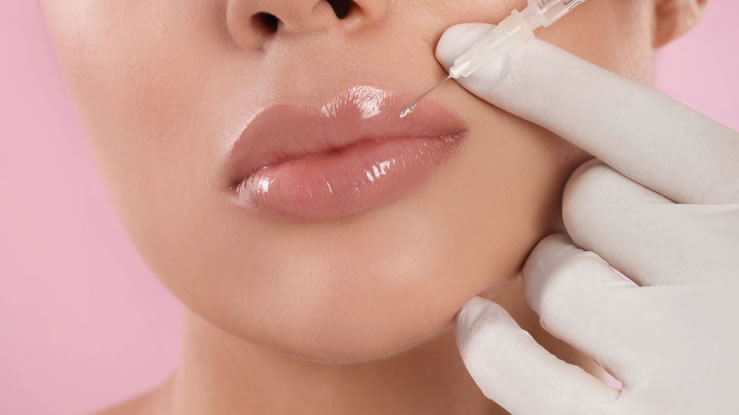
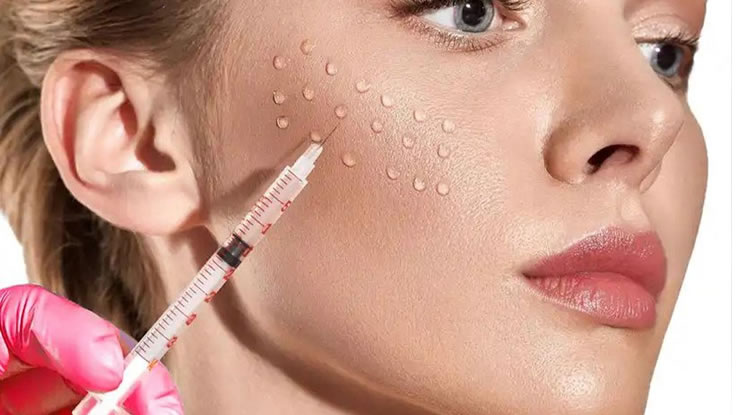
A skin booster injection is a treatment that delivers highly purified, low-viscosity hyaluronic acid directly into the dermis – the middle layer of the skin – using a series of small, superficial micro-injections. The hyaluronic acid used in skin boosters is not the same formulation as the HA used in lip or cheek fillers. It is thinner, more fluid, and designed to integrate into the skin tissue rather than add structure or volume beneath it.
Once injected, the hyaluronic acid binds to water molecules in the surrounding tissue, providing intense hydration at a cellular level that topical skincare products – no matter how expensive – simply cannot reach. Over subsequent weeks, the treatment also stimulates fibroblast activity, which triggers the skin’s own collagen and elastin production.
The result is skin that looks and feels genuinely healthier – more hydrated, smoother in texture, plumper, and more radiant – rather than skin that looks like it has been treated. This is why skin boosters have become so popular in the UK: the outcome is natural, the downtime is minimal, and the improvement is visible to the patient even when invisible to others.
The most widely used skin booster products in UK clinics in 2026 are Profhilo (IBSA), Juvederm Volite (Allergan), Restylane Skinboosters (Galderma), and Teosyal Redensity I (Teoxane). Each product has a different formulation and injection technique – Profhilo in particular uses a unique five-point injection protocol (BAP technique) and is one of the most studied and recommended options for skin quality improvement in the UK.
How Are Skin Boosters Different From Dermal Fillers?
This is the question most first-time patients ask, and the distinction matters. Skin boosters and dermal fillers both use hyaluronic acid, but they work in completely different ways and achieve completely different results.
| Skin Boosters | Dermal Fillers | |
|---|---|---|
| What they do | Hydrate and improve skin quality | Add volume and structure |
| Where injected | Within the dermis (skin layer) | Beneath the skin (subcutaneous) |
| HA consistency | Thin and fluid | Thick and structured |
| Visible result | Glow, texture, hydration | Volume, lift, shape change |
| Best for | Skin quality improvement | Specific structural concerns |
| Looks like treatment? | No – results are subtle | Can be visible depending on area |
| Cost per session (UK) | £200-£350 | £200-£450 |
| Sessions needed | Course of 3, then maintenance | Usually single session |
The simplest way to think about it: fillers change what your face looks like; skin boosters change what your skin looks like. Many patients in the UK have both, fillers for structural concerns and skin boosters for overall skin quality and the two treatments complement each other well.
Who Are Skin Booster Injections Best Suited To?
Skin boosters are one of the most universally suitable aesthetic treatments available in the UK, because they improve skin quality rather than alter facial features. They are appropriate for a wide range of patients and concerns.
Skin boosters are particularly well-suited to
People with dry or dehydrated skin. Skin boosters deliver hydration at a depth that no topical product can reach. Patients with chronically dry skin, including those with mild eczema prone or sensitive skin types often see dramatic improvements in skin texture and comfort after a course of treatment.
People in their late 20s to 40s noticing early skin quality decline. If your skin has lost the plump, lit from within quality it had a few years ago but you are not ready for or interested in more structural treatments, skin boosters are the most effective way to restore that quality without changing your appearance.
People with dull, tired-looking skin. Skin that looks grey, flat, or lacking in radiance, often associated with stress, lack of sleep, or environmental damage, responds particularly well to skin boosters. The hydration and collagen stimulation effect restores luminosity that skincare alone struggles to deliver.
People wanting to improve skin texture. Fine lines caused by dehydration, mild crepiness, and uneven texture are all significantly improved by a course of skin boosters. They are not a replacement for treatments targeting deeper lines or significant volume loss, but for surface texture they are highly effective.
People preparing for a significant event. Skin boosters are popular as a “pre event” treatment before a wedding, important birthday, or other occasion because they deliver a genuine glow and skin quality improvement within 4-6 weeks of the first session.
Skin boosters are less suited to:
People looking for significant volume restoration, a lift, or structural changes to specific facial features, these goals are better addressed with dermal fillers or other treatments. Skin boosters improve what you have; they do not add what is not there.
How Much Do Skin Booster Injections Cost in the UK in 2026?
Skin booster injections in the UK cost £200-£350 per session in 2026. Because most skin booster protocols require a course of three sessions (typically spaced four weeks apart), the full treatment course costs £600-£900 at a reputable clinic.
| City | Cost Per Session | Full Course (x3) |
|---|---|---|
| London (Central) | £280-£350 | £750-£950 |
| London (Outer) | £240-£310 | £650-£850 |
| Manchester | £210-£280 | £580-£780 |
| Birmingham | £200-£260 | £560-£740 |
| Edinburgh | £220-£290 | £600-£800 |
| Bristol | £210-£280 | £580-£780 |
| Leeds | £200-£260 | £560-£740 |
| Liverpool | £190-£250 | £540-£720 |
After the initial course of three sessions, most patients require a single maintenance session every 6-9 months to sustain results. Some clinics offer a maintenance package at a reduced per-session rate for returning patients – ask about this when you book your initial course.
Profhilo, one of the most popular skin booster products in the UK, is typically priced slightly higher than other options at £300-£400 per session, reflecting its reputation and the clinical evidence supporting its efficacy. For patients specifically seeking Profhilo, budget for £800-£1,100 for a full initial course of two sessions (Profhilo uses a two-session protocol rather than three).
What Happens During a Skin Booster Appointment?
A skin booster appointment at a reputable UK clinic follows a consistent process. Knowing what to expect reduces anxiety and helps you assess whether a clinic is operating correctly.
Consultation (first appointment only). Before your first session, your practitioner should assess your skin, discuss your concerns and goals, review your medical history, explain the treatment and its risks, and obtain written consent. This consultation should never be skipped.
Cleansing and numbing. Your face is thoroughly cleansed and a topical numbing cream is applied. Allow 20-30 minutes for the numbing cream to take full effect, a practitioner who proceeds before this time is prioritising speed over your comfort.
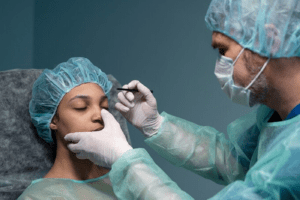
The injections. Depending on the product and protocol, the practitioner uses a fine needle or cannula to deliver multiple small injections across the treatment area. For a full face treatment, this typically involves 20-50 micro-injection points. The procedure takes 20-30 minutes. Most patients describe a mild stinging or pinching sensation, significantly more comfortable than lip filler due to the smaller needle and shallower injection depth.
Immediate aftercare. Small raised bumps (blebs) appear at injection sites immediately after treatment, this is completely normal and resolves within a few hours. Some redness and mild swelling is expected for 24-48 hours.
Review and results. Results are not immediate. The skin looks slightly better within a week as initial hydration takes effect, but the full collagen, stimulating benefit of a course of treatment takes 4-8 weeks to fully manifest. The most significant improvement is typically seen 4-6 weeks after the final session of the course.
What Are the Side Effects of Skin Booster Injections?
Skin boosters have a favourable side effect profile compared to other injectable treatments, largely because the injections are superficial and the product is biocompatible. The majority of side effects are mild and temporary.
Expected and temporary:
Redness at injection sites, resolving within a few hours to 24 hours. Small raised bumps (blebs) immediately after treatment, resolving within a few hours. Mild swelling for 24-48 hours. Occasional bruising, resolving within 5-7 days. Temporary tenderness at injection sites for 24-48 hours.
Less common:
Mild headache in the 24 hours following treatment. Small lumps that persist beyond a few days, usually resolve with gentle massage as directed by your practitioner. Rarely, a localised inflammatory reaction, contact your practitioner if redness and swelling do not resolve within 5 days.
Serious but rare:
Vascular occlusion, the same risk as all injectable treatments, is significantly less common with skin boosters than with deeper filler treatments due to the superficial injection depth, but it is not zero. A qualified practitioner should still carry hyaluronidase and have a vascular occlusion protocol. If you experience intense pain, white or mottled skin, or vision changes during or after treatment, seek emergency medical attention immediately.
According to aesthetic medicine consultant Dr. Tapan Patel, founder of the PHI Clinic in London, “Skin boosters are among the safest aesthetic injectable treatments available when administered correctly. The shallow injection depth and thin product formulation make serious complications rare. The key, as with all injectables, is practitioner training and technique.”
How Long Do Skin Booster Results Last?
Results from a full course of skin booster injections last 6-9 months on average, after which a single maintenance session restores the effect. Some patients find results persist for up to 12 months after a full course, particularly those who also maintain a good skincare routine including SPF and retinol.
The longevity of skin booster results depends on several factors: your age and baseline skin condition, your metabolism, sun exposure, smoking status, and the specific product used. Profhilo in particular is noted for delivering collagen stimulation effects that outlast the hyaluronic acid itself, meaning the structural skin improvement continues to build even after the product has been absorbed.
For patients who begin regular skin booster maintenance in their late 20s or early 30s, the long term benefit is cumulative, each course builds on the collagen stimulation of the last, meaning skin quality tends to improve progressively over years of consistent treatment.
How to Find a Qualified Skin Booster Practitioner in the UK
The same principles that apply to all aesthetic injectable treatments apply to skin boosters. Verify your practitioner’s registration with the GMC (gmc-uk.org), NMC (nmc.org.uk), or GDC (gdc-uk.org) before booking. Check the Save Face register (saveface.co.uk) for accredited practitioners in your area. Insist on a consultation before treatment. Ask about their vascular occlusion protocol and confirm they carry hyaluronidase on site.
Additionally, for skin boosters specifically, ask which product they use and why. A practitioner who can explain the difference between Profhilo, Juvederm Volite, and Restylane Skinboosters, and recommend the most appropriate option for your skin concerns, is demonstrating genuine clinical knowledge rather than simply using whichever product their supplier stocks.
Editor’s tip: Skin boosters are sometimes marketed under brand specific names; “Profhilo treatment”, “Volite”, or “Skinboosters” rather than the generic term “skin booster injections.” If you are researching clinics, searching for the specific product name alongside your city will return more targeted results than the generic term alone.
Frequently Asked Questions About Skin Booster Injections in the UK
Q: What is the difference between Profhilo and other skin boosters? Profhilo is a specific brand of skin booster made by IBSA that uses a unique hybrid hyaluronic acid technology combining high and low molecular weight HA. It is injected using a five-point BAP (Bio Aesthetic Points) technique, requires only two sessions rather than three, and has a particularly strong clinical evidence base for skin laxity and quality improvement. It is generally considered one of the gold standard skin booster options in the UK and is priced slightly higher than other products as a result.
Q: Can skin boosters be combined with other treatments? Yes, skin boosters combine well with most other aesthetic treatments. Many patients have skin boosters alongside Botox, dermal fillers, or chemical peels as part of a comprehensive skin maintenance plan. Your practitioner can advise on sequencing, typically skin boosters and Botox can be done in the same appointment, while skin boosters and more aggressive resurfacing treatments should be spaced apart.
Q: Are skin booster injections painful? Most patients describe skin booster injections as mildly uncomfortable rather than painful, particularly with topical numbing cream applied beforehand. The sensation is generally considered less intense than lip filler due to the shallower injection depth. The multiple injection points mean the procedure takes slightly longer than a filler treatment, but individual injections are briefer.
Q: Who should not have skin booster injections? Skin boosters are not suitable during pregnancy or breastfeeding. They are also contraindicated for patients with active skin infections, inflammatory skin conditions in the treatment area, known hypersensitivity to hyaluronic acid, or autoimmune conditions affecting the skin. Patients on blood thinners should discuss this with their prescriber before treatment. A thorough consultation will identify any contraindications before treatment proceeds.
Q: How soon will I see results from skin booster injections? You will notice improved hydration within the first week after your first session. However, the full result of a course of three sessions, including the collagen stimulation effect – takes 4-8 weeks after your final session to fully develop. Most patients see their best results 6-8 weeks after completing the initial course. Do not judge the treatment by the results after session one alone.
Q: Are skin boosters worth the cost? For patients with the right concerns, dehydration, dullness, fine texture, and early skin quality decline, skin boosters consistently deliver results that topical skincare cannot replicate. Patient satisfaction rates in clinical studies are high, with the majority of patients reporting visible improvement in skin texture, radiance, and hydration after a full course. Whether the cost is justified depends on your individual skin concerns, your budget, and your skincare goals – a consultation with a qualified practitioner is the best way to assess whether skin boosters are the right treatment for you specifically.
Skin booster injections are one of the most effective skin quality treatments available in the UK in 2026, delivering deep hydration, collagen stimulation, and a genuine improvement in skin texture and radiance that topical skincare simply cannot match. They suit a wide range of patients, carry a favourable safety profile when administered by a qualified practitioner, and produce natural results that improve the quality of your skin without changing how you look. If dull, dehydrated, or early ageing skin is your concern, a course of skin boosters is worth a consultation.
Related articles on Glow Cosmetology: