Beauty is incredibly broad, but one of the topics that consistently demands more depth, nuance, and understanding is skin tone especially when we talk about the richness and complexity of deep skin tones. For many decades, the beauty industry simplified skin tones into very basic categories: fair, medium, and dark. These generalized labels overlooked undertones, melanin concentration, color variation, and the unique needs of people with richly pigmented skin. Today, however, the industry has evolved significantly. Brands are expanding shade ranges, dermatologists are producing melanin-specific studies, and consumers are demanding language that accurately reflects who they are. As a result, the term deep skin tone has emerged as both a classification and a celebration of the darkest, melanin-rich complexions found across the world.
But what exactly is a deep skin tone? How does it differ from dark or dark-brown skin? Why do melanin-rich complexions behave differently in sunlight, during inflammation, or when applying skincare products? What makes undertones so important for shade matching? And how can people with deep skin tones care for their skin, enhance it through makeup, and protect it long-term? This comprehensive guide dives into every aspect of deep skin tones, combining dermatology, color theory, cultural context, and beauty expertise to help you fully understand the richness of melanin.
By the end of this 4000-word guide, you will have a complete picture of deep skin tones from their scientific basis to their unique beauty needs and you’ll be able to choose better products, build smarter routines, and appreciate the full depth of melanin-rich skin.
1. What Is a Deep Skin Tone?
A deep skin tone refers to the darkest end of the human skin color spectrum, characterized by high concentrations of melanin and undertones that range widely from red to blue to golden to neutral. Deep skin tones appear in shades such as espresso, dark chocolate, ebony, mahogany, plum-brown, and cool deep brown. Contrary to popular belief, deep skin tones do not belong exclusively to one ethnic group. They appear across African, Afro-Caribbean, Afro-Latin, South Asian, Middle Eastern, Indigenous Australian, Melanesian, and mixed-heritage populations.
Deep skin tone is not simply “dark skin.” It is a technical beauty classification used by cosmetic brands, dermatologists, and makeup artists to identify complexions with high melanin density, reduced visibility of superficial blood flow, and rich color depth. Understanding this classification helps in choosing correct foundation shades, picking the right sunscreens, managing hyperpigmentation, and selecting flattering makeup colors.
Deep skin tones are unique because they combine richness of color with incredible complexity. Undertones, melanin scattering, and light reflection all play roles in how deep skin appears in different lighting and how products sit on the skin. For example, a foundation with too much yellow can make deep skin look muddy, while a sunscreen with the wrong base ingredients may leave a purple or grey cast. This is why learning the specifics of deep skin tones is so important.
2. The Science Behind Deep Skin Tones: Melanin, Genetics, and Biology
Melanin: The Pigment Behind All Skin Color
Deep skin tones contain high levels of eumelanin, a type of melanin that produces brown and black hues. People with deep skin tones have more melanin in each melanocyte, not more melanocytes in total. This increased activity provides deep skin with its rich color and also influences how the skin responds to sun exposure, injury, inflammation, and irritation.
Genetics and Melanin Distribution
Genetics play a defining role in melanin production. People with ancestry from high-UV environments such as tropical or equatorial regions naturally produce more eumelanin as a form of evolutionary protection. This melanin concentration absorbs harmful UV radiation more efficiently, reducing the rates of UV-induced cellular damage.
Melanin and UV Protection
Deep skin tones naturally provide UV protection equivalent to roughly SPF 13. However, this does not eliminate the need for sunscreen. Melanin absorbs UVB rays effectively, but UVA rays still penetrate deeply, damaging collagen and leading to premature aging and hyperpigmentation. Sunscreen also prevents melasma, dark spots, and uneven skin tone conditions which deep skin tones are more prone to.
Inflammation and Pigmentation Response
Deep skin tones respond dramatically to inflammation. When the skin experiences irritation through acne, harsh scrubs, burns, or aggressive treatments it produces excess melanin as part of the healing process. This creates post-inflammatory hyperpigmentation (PIH), a common concern among people with deep complexions.
This means skincare routines for deep skin must focus not only on effectiveness but also on gentleness.
3. Characteristics of Deep Skin Tones
1. High Eumelanin Concentration
This pigment gives deep skin its richness and reduces the appearance of fine lines at younger ages.
2. Strong Resistance to UV Damage
Deep skin tans rather than burns, but tanning is still a sign of UV exposure.
3. Unique Undertones
Deep skin tones have diverse undertones:
-
Red
-
Blue
-
Purple
-
Golden
-
Neutral
-
Olive
-
Cool brown
-
Plum
Darker skin tends to mask surface redness, making undertones more complex.
4. Delayed Aging
Deep skin tends to show wrinkles later, but it shows unevenness and texture earlier.
5. Hyperpigmentation Prone
One pimple can leave dark marks that last months.
4. Undertones in Deep Skin Tones
Undertones significantly affect complexion matching and makeup choices. There are four dominant categories:
Warm Undertones
Reddish, bronze, copper, golden.
Cool Undertones
Blue, plum, purple, wine-toned.
Neutral Undertones
Balanced warm and cool tones.
Olive Undertones
A deep, earthy, greenish hue rare but beautiful.
Understanding undertones makes foundation matching smoother and helps avoid grey or ashy finishes.
5. Shade Variations Within Deep Skin
Deep skin has one of the widest range of tones. Some common descriptors include:
-
Rich ebony
-
Mahogany
-
Espresso
-
Chestnut
-
Blue-toned brown
-
Red-toned brown
-
Golden deep brown
-
Neutral dark brown
No two deep skin tones are identical.
6. Common Skin Concerns for Deep Skin Tones
1. Hyperpigmentation
Occurs from inflammation, acne, sun exposure, or injury.
2. Dark Spots and PIH
Heavier melanin response means deeper discoloration.
3. Ashiness
Dryness shows as a grey or dull cast.
4. Keloids
Deep skin has increased collagen response after injury.
5. Sunscreen White Cast
Mineral formulas often leave residue that looks purple, grey, or blue.
6. Textural Issues
Clogged pores and roughness appear more dramatically.
7. Skincare Routine for Deep Skin Tones
Cleansing
Use gentle, hydrating cleansers.
Exfoliation
Choose mild chemical exfoliants:
-
Lactic acid
-
PHAs
-
Enzymes
Avoid harsh scrubs.
Treatment
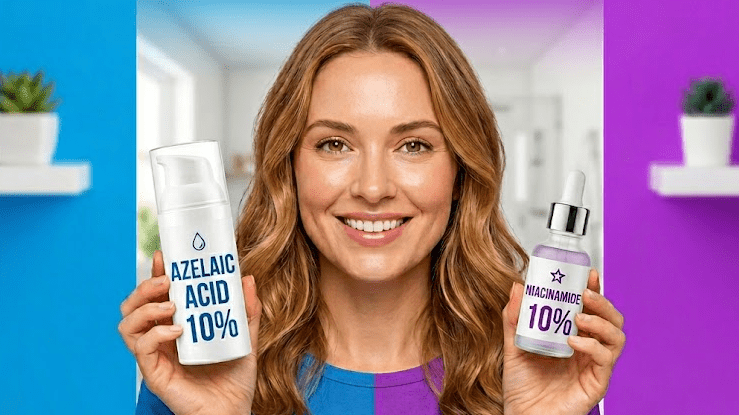
Use brightening agents:
-
Vitamin C
-
Niacinamide
-
Azelaic acid
-
Kojic acid
-
Alpha arbutin
-
Tranexamic acid
Moisturizing
Hydration is essential to prevent ashiness.
Sun Protection
Choose gel or tinted formulas to avoid white cast.
8. Makeup Tips for Deep Skin Tones
1. Foundation Matching
Match to the center of the face for accuracy.
2. Powders
Choose warm-toned or translucent powders that do not create flashback.
3. Blush Shades
Berry, terracotta, plum, and deep orange shine on deep skin.
4. Lipsticks
Deep skin can carry bold colors effortlessly.
5. Highlighters
Gold, rose gold, copper, and bronze complement deep skin tones.
6. Eyeshadow
Vibrant colors like emerald, gold, purple, navy, and burgundy pop beautifully.
9. Color Theory for Deep Skin Tones
Fashion and makeup colors that flatter deep skin:
-
Emerald
-
Mustard yellow
-
Royal blue
-
Beige
-
Burgundy
-
Deep red
-
Warm brown
-
Bronze
Contrast and saturation play key roles.
10. How Deep Skin Ages
Deep skin shows aging differently:
-
Hyperpigmentation
-
Texture changes
-
Dullness
-
Volume loss
Wrinkles appear later due to melanin’s antioxidant properties.
11. Professional Treatments Suitable for Deep Skin Tones
Not all treatments are safe. Recommended:
-
Low-strength chemical peels
-
Laser types safe for dark skin
-
Microneedling
-
Radiofrequency treatments
Avoid intense lasers not suited for melanin.
12. Cultural and Historical Significance of Deep Skin
Historically, dark skin tones have faced colorism, underrepresentation, and limited beauty options. Today, inclusivity has grown. Rihanna’s Fenty Beauty, Huda Beauty, MAC, and other brands have expanded representation and shade ranges. Deep skin is now celebrated globally.
13. Why Understanding Deep Skin Tone Matters in Beauty
Understanding deep skin tone ensures:
-
Better skincare
-
Better shade matching
-
Safer treatments
-
Improved self-esteem
-
Accurate representation in beauty
14. Celebrating Deep Skin Tones
Deep skin tones are rich, dimensional, and naturally radiant. They hold color beautifully, age gracefully, and carry both bold and neutral makeup looks effortlessly. As the beauty industry becomes more inclusive, deep skin continues to take center stage with pride and representation.
A deep skin tone is not simply dark skin it is a diverse, beautiful, scientifically complex category defined by rich melanin, varied undertones, and unique skin behaviors. Understanding deep skin tones empowers individuals to choose better products, build effective routines, and celebrate the full beauty of melanin-rich complexions.