What Beauty Products Appeal to Gen Z?
Generation Z has quickly become one of the most influential consumer groups in the beauty industry. Born roughly between the mid-1990s and early 2010s, this generation grew up in a world shaped by social media, digital culture, and instant access to information. Because of this environment, their expectations for beauty products are very different from those of previous generations. Instead of simply following traditional beauty standards, Gen Z tends to focus on authenticity, individuality, and self-expression.
This shift in perspective has had a profound impact on the beauty industry. Brands are no longer just selling makeup or skincare; they are selling values, transparency, and experiences. Gen Z consumers are more likely to research ingredients, compare products online, and watch reviews before making a purchase. Platforms such as TikTok and Instagram have also played a major role in shaping the products that go viral.
Another defining feature of Gen Z is their preference for products that feel natural, inclusive, and multifunctional. Rather than heavy foundations or complicated routines, many Gen Z consumers prefer skincare-focused makeup that enhances their natural features. They want products that are effective but also aligned with their personal beliefs about sustainability, ethics, and transparency.
Understanding what beauty products appeal to Gen Z is important not only for beauty brands but also for consumers and content creators who want to stay updated on modern beauty trends. By exploring the types of products Gen Z prefers and the reasons behind those preferences, it becomes easier to see how this generation is redefining beauty standards and shaping the future of the industry.
What Makes Gen Z Different From Previous Beauty Consumers?
One of the biggest differences between Gen Z and previous generations is how they discover beauty products. Earlier generations often relied on magazines, television advertisements, or in-store recommendations. Gen Z, however, relies heavily on social media platforms, influencer reviews, and online communities.
Many Gen Z consumers first learn about beauty products through viral content. For example, makeup tutorials, skincare routines, and product reviews often gain millions of views online. When a product goes viral, it can sell out within hours. Beauty influencers and celebrities such as Hailey Bieber frequently play a role in popularizing specific skincare or makeup trends.
Gen Z is also much more ingredient-aware. Instead of purchasing products based only on branding or packaging, they often check the ingredient list and research whether those ingredients are beneficial or harmful to the skin. Ingredients like Niacinamide, Hyaluronic Acid, and Retinol are commonly discussed in online beauty communities.
Another important factor is inclusivity. Gen Z expects brands to represent diverse skin tones, identities, and body types. Brands that fail to provide inclusive shade ranges or diverse marketing campaigns often receive criticism online. As a result, many modern beauty brands have expanded their product ranges and marketing strategies to appeal to a wider audience.
Skincare Products That Appeal to Gen Z
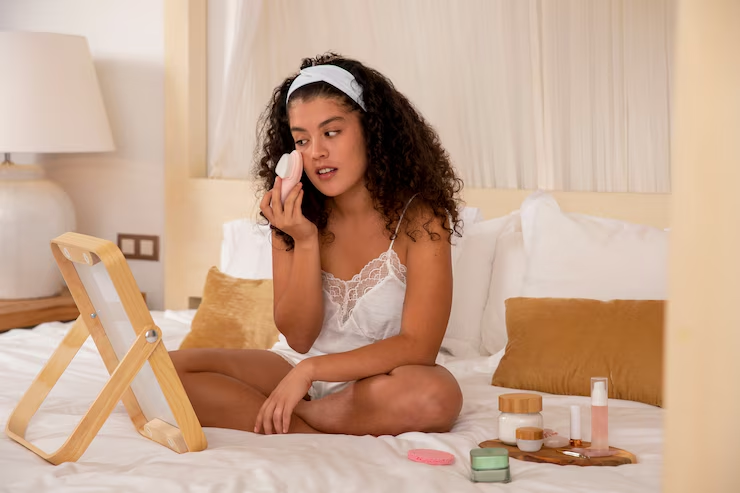
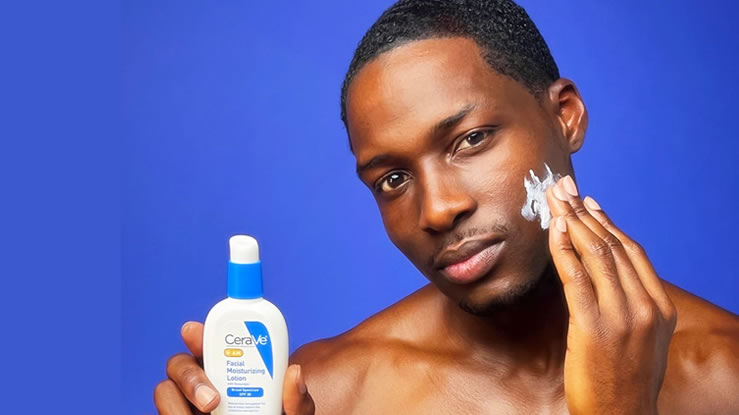
Skincare has become one of the most important categories for Gen Z consumers. Unlike previous generations who often started focusing on skincare later in life, Gen Z tends to adopt skincare routines at a younger age. Many young consumers prioritize skin health and prevention rather than waiting to address problems such as wrinkles or hyperpigmentation.
Hydrating products are particularly popular among Gen Z. Moisturizers and serums containing ingredients like Hyaluronic Acid are widely used because they help maintain moisture and improve skin texture. Hydration is often seen as the foundation of healthy skin, which is why lightweight moisturizers and hydrating toners are frequently recommended in skincare routines.
Another ingredient that appeals strongly to Gen Z is Niacinamide. This ingredient is praised for its ability to reduce redness, minimize the appearance of pores, and improve overall skin tone. Many skincare brands have introduced products that highlight niacinamide as a key ingredient because it addresses multiple skin concerns without being too harsh.
Acne treatments are also important for Gen Z consumers, as many individuals in this age group deal with breakouts or oily skin. Products containing Salicylic Acid are often recommended for unclogging pores and preventing acne. These products can include cleansers, toners, and spot treatments.
In addition to ingredient-focused skincare, Gen Z is also interested in routines that support the skin barrier. Gentle cleansers, soothing serums, and lightweight moisturizers are often preferred over harsh exfoliating treatments. Many dermatologists emphasize the importance of maintaining a healthy skin barrier, which aligns with Gen Z’s interest in preventative skincare.
Makeup Products That Gen Z Loves
While skincare plays a major role in Gen Z beauty routines, makeup still holds an important place in their daily self-expression. However, the type of makeup that appeals to Gen Z tends to be very different from the heavy, full-coverage styles that were popular in previous decades.
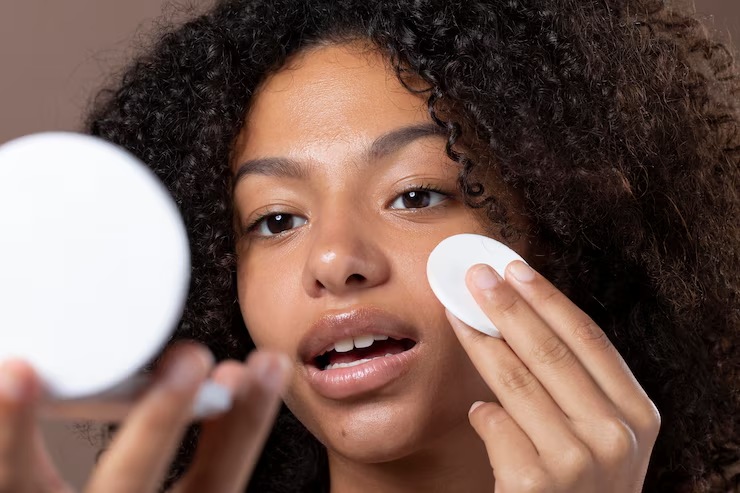
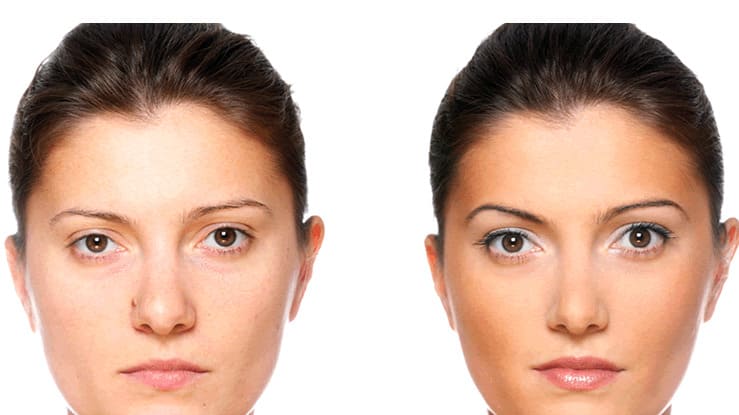
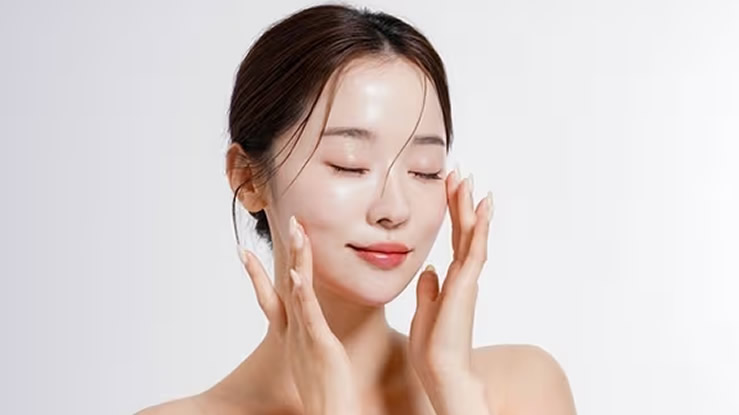
One of the most noticeable trends among Gen Z is the popularity of natural-looking makeup. The Clean Girl Makeup aesthetic has become especially popular because it emphasizes glowing skin, minimal foundation, and subtle enhancements. Instead of covering the skin completely, the goal is to enhance natural features while maintaining a fresh and effortless appearance.
Lightweight skin tints and tinted moisturizers are often favored over heavy foundations. These products provide light coverage while allowing the skin to remain visible. Many Gen Z consumers also prefer cream-based products, such as cream blushes and highlighters, because they create a natural glow and blend easily into the skin.
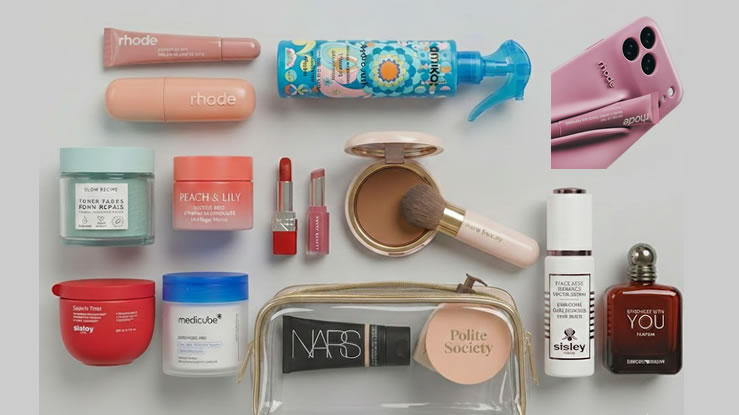
Lip products are another area where Gen Z preferences differ from previous trends. Instead of matte liquid lipsticks, many Gen Z consumers prefer glossy finishes and hydrating formulas. Lip oils and tinted balms have become extremely popular because they combine skincare benefits with subtle color.
Some brands have gained popularity among Gen Z because they focus on simplicity, inclusivity, and modern branding. For example, brands like Rare Beauty and Fenty Beauty have attracted younger audiences by offering diverse shade ranges and promoting messages of self-acceptance and individuality.
The Rise of Clean and Sustainable Beauty
Another reason certain beauty products appeal to Gen Z is their focus on sustainability and ethical production. Many Gen Z consumers are concerned about environmental issues and prefer products that minimize harm to the planet.
Clean beauty products have become increasingly popular among this generation. Clean beauty generally refers to products formulated without certain controversial ingredients, such as parabens or sulfates. While the exact definition of clean beauty can vary, the overall idea is to create safer and more transparent formulations.
Sustainable packaging is also important. Products that use recyclable materials or refillable containers often receive positive attention from Gen Z consumers. Brands that actively communicate their sustainability efforts can build stronger relationships with younger audiences who care about environmental responsibility.
In addition to environmental concerns, Gen Z also values cruelty-free and vegan beauty products. Many consumers prefer brands that do not test their products on animals and clearly label their products as cruelty-free.
The Influence of Social Media on Gen Z Beauty Choices
Social media has dramatically transformed how beauty trends spread. Platforms such as TikTok have created an environment where beauty products can go viral overnight. A single product recommendation from a popular influencer can lead to millions of views and thousands of purchases.
For example, skincare routines, makeup tutorials, and “get ready with me” videos often feature trending products. When viewers see the results in real time, they may feel more confident about trying the product themselves.
Celebrities and influencers also play an important role in shaping trends. When well-known figures like Hailey Bieber share their skincare routines or favorite products, those items often gain massive popularity. Viral trends such as “glazed donut skin” have helped drive interest in hydrating skincare products.
Social media also allows Gen Z consumers to share honest product reviews and experiences. This transparency has made it easier for people to avoid ineffective products and discover new brands that align with their values.
Why Gen Z Prefers Minimalist Beauty Routines
Another trend among Gen Z is the shift toward minimalist beauty routines. Instead of using dozens of different products, many people prefer simplified routines that focus on essential steps. A typical Gen Z skincare routine might include a gentle cleanser, moisturizer, sunscreen, and one or two treatment products.
This minimalist approach is partly influenced by dermatologists who emphasize the importance of protecting the skin barrier. Overusing harsh products can damage the skin and lead to irritation. As a result, many Gen Z consumers focus on maintaining healthy skin rather than constantly experimenting with new treatments.
Minimalist routines also align with Gen Z’s interest in sustainability and affordability. Buying fewer products reduces waste and saves money, which makes the routine more practical for young consumers.
How Gen Z Is Changing the Beauty Industry
Gen Z’s preferences are shaping the future of the beauty industry in several important ways. Brands are now prioritizing transparency, inclusivity, and sustainability more than ever before. Companies that fail to adapt to these expectations may struggle to connect with younger audiences.
Another change is the increasing demand for hybrid products that combine skincare and makeup benefits. Products such as tinted moisturizers with skincare ingredients have become popular because they simplify beauty routines while still delivering effective results.
Technology is also playing a larger role in beauty shopping. Many Gen Z consumers use digital tools, online reviews, and social media recommendations before purchasing products. This has encouraged brands to invest more in digital marketing and interactive shopping experiences.
Beauty products that appeal to Gen Z reflect a broader shift in how people think about beauty and self-care. Instead of focusing solely on appearance, this generation prioritizes authenticity, skin health, and ethical values. Skincare ingredients such as Niacinamide and Hyaluronic Acid have become popular because they provide real benefits for the skin, while natural makeup styles like the Clean Girl Makeup trend emphasize simplicity and individuality.
At the same time, brands such as Rare Beauty and Fenty Beauty have gained loyal Gen Z audiences by promoting inclusivity and authenticity. As this generation continues to grow in influence, their preferences will likely shape future beauty innovations, product development, and marketing strategies.
Ultimately, Gen Z is redefining beauty standards by emphasizing self-expression, transparency, and sustainability. The beauty products that appeal to them are not just about looking good but also about feeling confident, informed, and aligned with personal values.