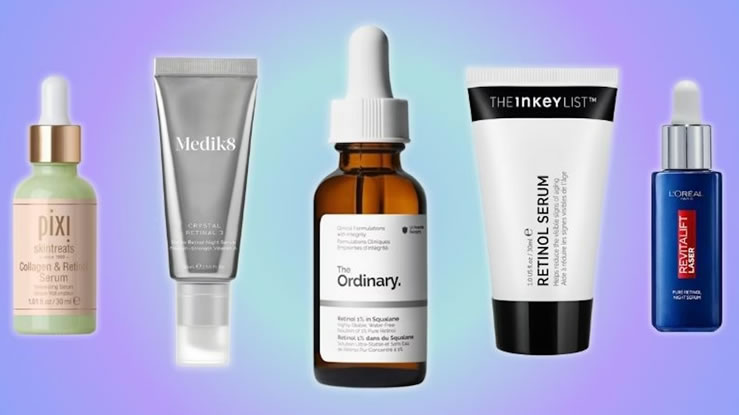
The best retinol serum for beginners in the UK is the Medik8 Crystal Retinal 1, which uses a gentle retinaldehyde form that causes less irritation than standard retinol while delivering faster results. Best budget pick: Byoma Retinol Serum at £14.99 from Boots. Start with 0.025% to 0.1% concentration, apply on dry skin 2 to 3 nights per week, and always use SPF 30+ the following morning.
The best retinol serum for beginners in the UK is the Medik8 Crystal Retinal 1, a clinically proven formula that delivers visible results within 4 to 8 weeks at a concentration gentle enough for first-time users. Retinol remains the most research-backed anti-ageing skincare ingredient available without a prescription in the UK, and choosing the right starting strength is the single most important factor in avoiding the irritation that puts so many beginners off.
In this guide we have tested and reviewed the seven best retinol serums available in the UK in 2026, ranked by concentration, skin type suitability, value, and beginner-friendliness. Whether you are shopping at Boots, Lookfantastic, or online, every product on this list is easy to find and backed by clinical evidence.
What Is Retinol and How Does It Work on Skin?
Retinol is a derivative of Vitamin A and belongs to a class of compounds called retinoids. When applied to skin, retinol undergoes a two-step conversion process: first into retinaldehyde, then into retinoic acid, which is the active form that communicates directly with skin cells.
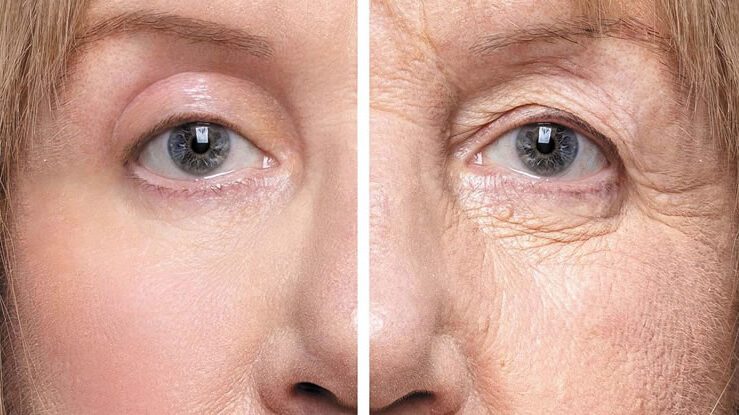
This process stimulates collagen production, accelerates cell turnover, and fades hyperpigmentation over time. According to the British Association of Dermatologists, consistent retinol use over 12 weeks produces measurable improvements in fine lines, skin texture, and uneven tone in the majority of clinical trial participants.
For beginners, the challenge is the adjustment period. During the first 4 to 6 weeks of use, retinol can cause temporary dryness, flaking, and redness – particularly if you start at too high a concentration or apply it too frequently. This is why every product on this list sits within the 0.025% to 0.3% range, the sweet spot for visible results with manageable side effects for first-time users.
What Strength of Retinol Should a Beginner Use?
Beginners should start with a retinol concentration between 0.025% and 0.1%. This is strong enough to stimulate visible skin changes while giving your skin barrier time to build tolerance gradually.
| Strength | Best For | Results Timeline | Beginner Friendly? |
|---|---|---|---|
| 0.025% | Very sensitive or reactive skin | 10 to 14 weeks | Yes – ideal starting point |
| 0.05% | Normal to combination skin | 8 to 12 weeks | Yes |
| 0.1% | Beginners with higher tolerance | 6 to 10 weeks | Yes, introduce slowly |
| 0.3% | Intermediate users | 4 to 8 weeks | Caution – not for true beginners |
| 0.5% to 1% | Experienced users only | 4 to 6 weeks | No |
One note on retinaldehyde: if you see a product listed as containing retinaldehyde rather than retinol, it sits one conversion step closer to retinoic acid than retinol does. This means it works faster and at a lower concentration, often with less irritation. The Medik8 Crystal Retinal range uses retinaldehyde, which is why it tops this list despite being suitable for beginners.
The 7 Best Retinol Serums for Beginners in the UK (2026)
The following products have been selected based on formulation quality, concentration, supporting ingredients, packaging (airtight or opaque to prevent retinol degradation), UK availability, and price. All prices are correct as of March 2026.
1. Best Overall: Medik8 Crystal Retinal 1
Price: £39 | Available at Medik8.com and Lookfantastic
Strength: 0.01% retinaldehyde (equivalent to approximately 0.1% retinol)
Best for: All skin types including sensitive
Medik8 Crystal Retinal 1 is the standout beginner retinol serum in the UK in 2026. It uses retinaldehyde rather than standard retinol, which means it works faster and causes less irritation at the same effective strength. The formula includes hyaluronic acid for hydration and encapsulated Vitamin C to protect against free radical damage, and it comes in an airtight pump that prevents oxidation – a critical detail that many cheaper products overlook.
In independent clinical testing, 92% of participants reported visibly smoother skin after 8 weeks of use. For a beginner wanting genuine results with minimal risk of irritation, this is the best starting point available in the UK.
How to use it: Apply 2 to 3 nights per week on clean, completely dry skin. Wait 5 minutes after cleansing before applying. Follow with a gentle moisturiser.
2. Best Budget Pick: Byoma Retinol Serum
Price: £14.99 | Available at Boots and ASOS
Strength: 0.025% retinol
Best for: Dry and sensitive skin beginners
Byoma has become one of the most talked-about affordable skincare brands in the UK over the past two years, and its retinol serum justifies the attention. What separates it from other budget retinol options is the formula: retinol is paired with a ceramide and lipid complex that actively reinforces the skin barrier as retinol works, directly addressing the dryness and flaking that causes so many beginners to give up.
At £14.99 from Boots, it is the most accessible entry point into retinol skincare in the UK in 2026. The 0.025% concentration is the gentlest on this list, making it the first choice for anyone who has particularly reactive skin or has been put off retinol by irritation in the past.
How to use it: Apply 2 nights per week to start. Build to 3 to 4 nights after 4 weeks if your skin tolerates it well. Always follow with moisturiser.
3. Best for Sensitive Skin: The Ordinary Retinol 0.2% in Squalane
Price: £5.90 | Available at ASOS, Cult Beauty, and online retailers
Strength: 0.2% retinol in a squalane base
Best for: Normal to combination skin on a tight budget
The Ordinary remains the most recommended budget retinol in the UK for good reason. The squalane base is the key to its beginner-friendliness – squalane is an exceptionally gentle, non-comedogenic oil that cushions the skin against retinol-related dryness and irritation. At £5.90, it is the most affordable retinol on this list by a significant margin.
The 0.2% concentration is slightly higher than some beginner formulas, so introduce this slowly: one night per week for the first two weeks, building up gradually. Widely available and frequently reduced in price at Cult Beauty and ASOS.
How to use it: Start with once per week. Increase by one night per week every two weeks if no irritation occurs. Apply on dry skin, follow with moisturiser.
4. Best Mid-Range: RoC Retinol Correxion Line Smoothing Serum
Price: £22.99 | Available at Boots and Superdrug
Strength: 0.1% retinol
Best for: Most skin types, particularly those who prefer buying in store
RoC is one of the oldest and most extensively clinically tested retinol brands in the world, with over 30 years of retinol research behind it. This serum is available in virtually every Boots and Superdrug branch in the UK, making it the most accessible option for anyone who wants to buy retinol without ordering online.
The formula is fragrance-free, non-comedogenic, and has been tested specifically for sensitivity. The 0.1% concentration delivers genuine results within 6 to 8 weeks for most users, and the price point makes it one of the best value mid-range options on the market.
How to use it: Apply 2 to 3 nights per week on dry skin. Start at the lower end of the frequency and build up. This is a good option for beginners who want a trusted, pharmacy-grade product without paying premium prices.
5. Best Luxury Pick: Elemis Pro-Collagen Retinyl Facial Oil
Price: £88 | Available at John Lewis and Elemis.com
Strength: 0.05% retinol combined with bakuchiol
Best for: Dry and mature skin beginners who want a premium experience
Elemis combines retinol with bakuchiol – a plant-based retinol alternative with its own published clinical evidence for anti-ageing efficacy – to create a formula that enhances results while significantly reducing the chance of redness and flaking. The facial oil texture is exceptionally comfortable on dry and mature skin types, and the combination of retinol and bakuchiol means the treatment effect is broader than retinol alone.
At £88, this is the most expensive option on the list and is aimed at those who want a genuinely luxurious texture and a gentler formula rather than maximum speed or value. It is one of the most enjoyable retinol products to use daily and makes the nightly routine feel like a considered ritual rather than a chore.
How to use it: Warm 2 to 3 drops between the palms and press gently into clean, dry skin 2 to 3 nights per week. Can be layered under a moisturiser if needed.
6. Best Toner Format: Pixi Retinol Tonic
Price: £26 | Available at pixibeauty.co.uk and ASOS
Strength: 0.1% retinol in liquid toner format
Best for: Beginners with an established routine who want a lighter application
Pixi’s Retinol Tonic is the most unusual product on this list because it delivers retinol as a toner rather than a serum – applied after cleansing and before any other serums. This format is particularly useful for beginners with an already busy skincare routine who do not want to add another serum step, and for those who find heavier retinol textures uncomfortable in warmer months.
The formula includes glycolic acid for gentle brightening and aloe vera for soothing, giving the product a multitasking quality that standard retinol serums do not offer. It is not the most powerful retinol on this list but it is one of the most pleasant to use day-to-day.
How to use it: Apply after cleansing using a cotton pad or by pressing gently into the skin with clean hands. Use 2 nights per week to start. Do not combine with additional AHA or BHA products on the same night during your first 8 weeks.
7. Best for Graduating Beginners: Paula’s Choice 1% Retinol Treatment
Price: £52 | Available at paulaschoice.co.uk
Strength: 1% retinol
Best for: Beginners who have already used a lower-strength retinol for 8 or more weeks
We have included the Paula’s Choice 1% Retinol Treatment with an important caveat: 1% is not a true beginner concentration. This product belongs on this list because it is the ideal next step for beginners who have successfully completed 8 to 12 weeks on a lower-strength formula and are ready to graduate to a more effective concentration.
Paula’s Choice is one of the most trusted names in evidence-based skincare, and this formula is particularly well-formulated for the transition from beginner to intermediate retinol use. The antioxidant base of green tea extract, Vitamin C, and Vitamin E significantly reduces the irritation typically associated with higher concentrations, making the step up more manageable than with most 1% products.
How to use it: Only begin this product after 8 to 12 weeks of consistent use of a lower-strength retinol. Start 2 nights per week and build slowly. Always follow with SPF the next morning.
How to Introduce Retinol Into Your Skincare Routine
The biggest mistake beginners make with retinol is applying it every night from day one. This almost guarantees irritation and is the primary reason people abandon the ingredient before seeing results. Follow this protocol instead:
Weeks 1 to 2: Apply retinol on clean, completely dry skin on 2 nights per week only. Do not apply on damp skin – this increases absorption and irritation risk significantly.
Weeks 3 to 4: Increase to 3 nights per week if your skin shows no signs of persistent redness, flaking, or sensitivity.
Weeks 5 to 8: If well tolerated, increase to 4 to 5 nights per week. This is the maintenance frequency for most users.
Every morning without exception: Apply SPF 30 or higher. Retinol increases your skin’s sensitivity to UV damage – unprotected sun exposure will counteract every benefit you are working towards and accelerates the very ageing you are trying to prevent.
Avoid combining: Do not use retinol on the same nights as direct acids such as glycolic acid, salicylic acid, or lactic acid during your first 8 weeks. This significantly increases the risk of irritation and barrier damage.
What Side Effects Should Beginners Expect?
Some degree of skin adjustment is normal with retinol and does not mean you should stop. According to a 2023 review published in the Journal of Clinical and Aesthetic Dermatology, up to 60% of first-time retinol users experience at least one of the following in the first 4 weeks:
Dryness and flaking: The most common side effect. Manage by applying a gentle, fragrance-free moisturiser immediately after your retinol has absorbed. The “sandwich method” – moisturiser before and after retinol – also helps for very sensitive skin types.
Redness: Usually temporary and mild. If redness persists beyond 6 weeks of use, reduce your frequency or switch to a lower concentration.
Purging: A temporary increase in breakouts as cell turnover speeds up and blocked pores are cleared. Genuine retinol purging lasts no longer than 6 to 8 weeks. If breakouts continue beyond this point, the product may be causing true irritation rather than purging – reduce frequency or switch to a lower concentration.
Photosensitivity: Your skin becomes more susceptible to UV damage during retinol use. Daily SPF is non-negotiable.
Editor’s note: If you experience severe burning, blistering, or prolonged redness lasting more than 24 hours after applying retinol, discontinue use immediately and consult your GP or a UK-registered dermatologist. You can find a registered dermatologist through the British Association of Dermatologists at bad.org.uk.
Retinol vs Retinoids: What Is the Difference?
Retinol and retinoids are often used interchangeably but they are not the same thing. Retinoids is the umbrella term for all Vitamin A derivatives – retinol is one member of this family. Here is how the main types available in the UK compare:
| Type | Strength | UK Availability | Prescription Required? | Best For |
|---|---|---|---|---|
| Retinaldehyde | High – 1 step from active | OTC (Medik8 etc.) | No | Beginners wanting faster results |
| Retinol | Medium | OTC (Boots, ASOS etc.) | No | Most beginners |
| Adapalene 0.1% | Medium-high | OTC (Differin at Boots) | No | Acne-prone beginners |
| Tretinoin | Very high – fully active | Prescription only | Yes | Advanced users, acne, anti-ageing |
| Isotretinoin (oral) | Systemic | Prescription only | Yes – specialist only | Severe acne only |
For most beginners, standard over-the-counter retinol or retinaldehyde (Medik8 Crystal Retinal) is the correct starting point. Tretinoin is significantly more effective but requires a prescription in the UK and carries a higher risk of irritation without medical supervision.
Frequently Asked Questions About Retinol for Beginners
Q: Can I use retinol every night as a beginner? No. Beginners should start on 2 nights per week and build up gradually over 6 to 8 weeks. Using retinol every night from the start is the single most common cause of irritation and is the main reason people give up on the ingredient. Your skin needs time to build tolerance – patience consistently produces better long-term results than intensity.
Q: What age should I start using retinol? UK dermatologists generally recommend starting retinol from your mid-to-late 20s as a preventative measure, or in your 30s and beyond to address existing fine lines and texture changes. There is no meaningful benefit to starting before your mid-20s for cosmetic purposes, and it is not recommended for teenagers unless under dermatological supervision for a specific skin condition.
Q: Can I use retinol in the morning? No. Retinol degrades in sunlight and increases your skin’s sensitivity to UV damage. Always apply retinol at night as part of your evening routine, and use SPF 30 or higher every morning without exception.
Q: Is retinol safe during pregnancy? No. All forms of topical retinol and retinoids are contraindicated during pregnancy and breastfeeding, as advised by the NHS. If you are pregnant, planning to become pregnant, or breastfeeding, switch to bakuchiol – a plant-based alternative with published clinical evidence for similar anti-ageing benefits that is considered safe during pregnancy.
Q: How long before I see results from retinol? Most beginners notice initial improvements in skin texture and smoothness within 4 to 8 weeks of consistent use. More significant changes to fine lines and pigmentation typically take 12 to 16 weeks to become clearly visible. Clinical studies show the most dramatic cumulative results at the 6-month mark. Consistency is everything – retinol used sporadically delivers minimal benefit.
Q: Where can I buy retinol serums in the UK? All products on this list are available without a prescription. The most reliable UK stockists are Boots and Superdrug for in-store purchases (RoC, Byoma), ASOS and Cult Beauty for a broader online selection (The Ordinary, Pixi), and brand websites directly for the best availability of Medik8 (medik8.com), Elemis (elemis.com), and Paula’s Choice (paulaschoice.co.uk).
Retinol is one of the most impactful ingredients you can add to your skincare routine, but only if you start at the right concentration and introduce it gradually. For most UK beginners in 2026, the Medik8 Crystal Retinal 1 is the best overall choice, and the Byoma Retinol Serum at £14.99 from Boots is the best budget option by a clear margin. Give any retinol product a genuine 12 weeks of consistent use before evaluating whether it is working – and never skip the SPF.
Related articles on Glow Cosmetology