Is Preventative Botox Worth It? Everything You Need to Know in 2026
Botox has long been one of the most popular cosmetic treatments worldwide. Millions of people use it to smooth wrinkles, rejuvenate their appearance, and restore confidence. In recent years, a new trend has emerged: preventative Botox—the practice of starting Botox treatments before wrinkles and fine lines appear, often in one’s 20s or early 30s.
This concept has sparked a lot of debate. Some experts argue it’s a smart investment in long-term skin health, while others caution about unnecessary treatments at a young age. With growing curiosity and demand, it’s important to understand the science, benefits, risks, and myths behind preventative Botox to determine if it’s truly worth it.
What Is Preventative Botox?
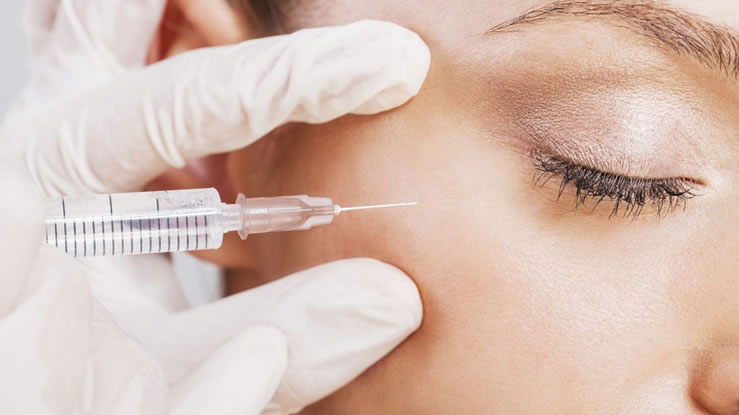
Preventative Botox involves injecting small amounts of botulinum toxin into specific facial muscles to reduce subtle movements that eventually lead to wrinkles. Unlike traditional Botox, which targets existing lines, preventative Botox focuses on delaying the formation of wrinkles.
Common areas for preventative treatment include:
Forehead lines
Frown lines between the eyebrows (glabellar lines)
Crow’s feet around the eyes
By relaxing these muscles early, patients aim to prevent deep lines from forming over time.
How Botox Works
Botox works by temporarily blocking nerve signals in the muscles where it is injected. This prevents the muscles from contracting, which in turn reduces the appearance of dynamic wrinkles caused by facial expressions.
The effect typically lasts 3–6 months, after which repeat treatments are needed to maintain results. Preventative Botox uses smaller doses, which may reduce risks of over-treatment while still achieving long-term anti-aging effects.
The Science Behind Preventative Botox
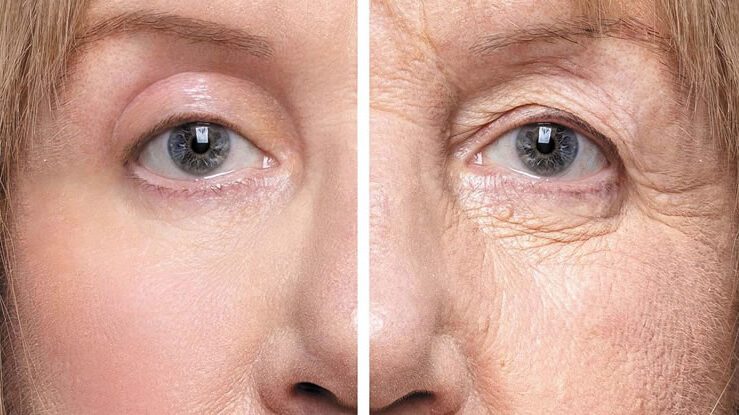
Several studies suggest that starting Botox before wrinkles appear can delay the progression of facial lines. By limiting repetitive muscle movement, preventative Botox can reduce the depth and severity of lines that typically develop in the 30s and 40s.
Muscle memory: Regular treatments can train muscles to relax over time.
Collagen preservation: Indirectly, by reducing deep wrinkles, Botox may help preserve surrounding skin structure and collagen integrity.
Psychological effect: Many patients report increased confidence and satisfaction with their appearance, even if changes are subtle.
Ideal Age for Preventative Botox
Experts recommend considering preventative Botox between mid-20s to early 30s, though age is only one factor. Other considerations include:
Skin type: Those with thin or sensitive skin may see early fine lines.
Lifestyle factors: Sun exposure, smoking, and stress can accelerate wrinkle formation.
Facial anatomy: People with strong expression lines may benefit sooner.
The goal is to start before lines become permanent, not necessarily to achieve dramatic results immediately.
Benefits of Preventative Botox
Slows wrinkle formation: Reduces the appearance of future lines.
Subtle, natural results: Early treatment often looks softer and more natural than aggressive Botox later in life.
Psychological boost: Patients often report feeling more confident and youthful.
Less product required: Smaller doses are effective, which may reduce overall treatment costs over time.
Complementary to skincare: Works alongside moisturizers, serums, and sunscreen for overall skin health.
Risks and Side Effects
Like all cosmetic procedures, preventative Botox carries potential risks:
Temporary bruising or swelling at injection sites
Mild headache or flu-like symptoms
Drooping eyelids or asymmetry if injected incorrectly
Allergic reactions (rare)
Most side effects are temporary and resolve within a few days to weeks. Choosing a trained, experienced injector dramatically reduces risks.
Common Myths About Preventative Botox
Myth 1: Botox will make your face “frozen.”
Fact: When injected in small, precise doses, preventative Botox allows natural expressions.Myth 2: It’s only for older people.
Fact: Younger patients are increasingly using Botox to delay wrinkles and maintain skin health.Myth 3: It’s unsafe long-term.
Fact: Research shows repeated low-dose treatments are generally safe when performed by professionals.Myth 4: Botox replaces skincare.
Fact: Botox works best alongside a strong skincare routine, including sun protection and hydration.
Comparing Preventative Botox to Other Anti-Aging Treatments
Preventative Botox is often compared to:
Dermal fillers: Add volume to areas with natural fat loss; prevent deep lines but do not relax muscles.
Chemical peels and microdermabrasion: Improve texture, reduce pigmentation, but do not stop wrinkle formation.
Laser resurfacing: Stimulates collagen, smooths fine lines, but does not prevent movement lines.
Preventative Botox is unique in targeting the cause of dynamic wrinkles (muscle movement) rather than only addressing visible signs.
Expert Advice on Preventative Botox
Experienced dermatologists emphasize the importance of:
Personalized treatment plans: Tailored to age, skin type, and facial anatomy
Moderate dosing: Small amounts reduce risk of unnatural results
Regular monitoring: Adjustments as facial muscle activity changes
Notable experts include:
Dr. Sarah Ahmed, Elite Aesthetic Clinic, London, UK (https://www.eliteaestheticclinic.co.uk)
Dr. Miriam Njeri, Allure Laser Skin & Aesthetic Medicine Centre, Nairobi, Kenya (https://www.allurelcm.com)
Both emphasize the combination of preventative treatments with skincare, sun protection, and healthy lifestyle choices.
When Preventative Botox Might Not Be Worth It
Very low-risk patients with minimal expression lines
Individuals wary of injections or who prefer natural aging
Those with certain neuromuscular conditions or allergies
In such cases, alternative anti-aging methods, like topical retinoids, vitamin C serums, chemical peels, and consistent sun protection, may be sufficient.
Cost Considerations
Preventative Botox generally requires smaller doses, which may make initial treatments less expensive. However, because results last only 3–6 months, patients should factor in long-term treatment frequency. Over years, costs can accumulate, so discussing a plan with a trusted injector is important.
Long-Term Benefits
Reduced depth and severity of lines over time
Less dramatic treatments needed later in life
Overall maintenance of youthful facial expression
Social and Cultural Influence
Social media and celebrity influence have normalized Botox at younger ages. Many young adults now view preventative Botox as part of routine self-care rather than a corrective measure. This shift reflects broader trends in wellness-focused, preventive beauty practices in the UK and globally.
Preventative Botox is increasingly recognized as a viable, safe, and effective anti-aging strategy. When administered by experienced professionals, it can slow wrinkle formation, preserve facial aesthetics, and complement skincare routines. While not necessary for everyone, those at risk of early lines or concerned with long-term aging may find it highly worthwhile.
Making an informed choice requires understanding the science, realistic outcomes, risks, and long-term commitment. With professional guidance and a comprehensive approach, preventative Botox remains one of the most proactive strategies for maintaining youthful skin in 2026 and beyond.