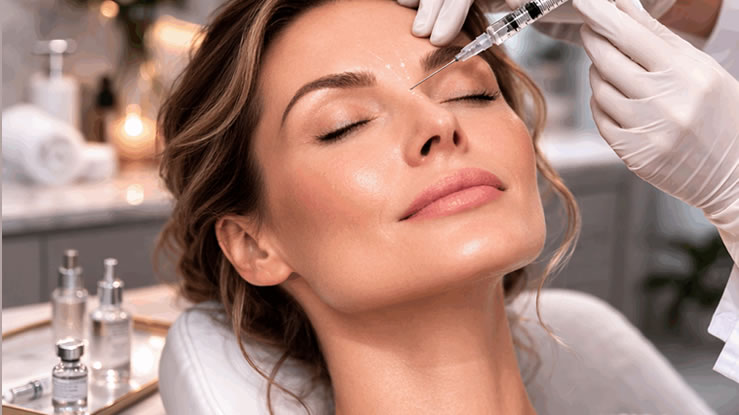
Botox in the UK costs between £150 and £350 per area in 2026. London is the most expensive city, averaging £250–£350 per area. Manchester, Birmingham, and Edinburgh average £150–£250. Always choose a CQC-registered clinic with a qualified prescriber, avoid any clinic offering Botox under £100 per area. Results last 3–4 months on average.
Botox in the UK costs between £150 and £350 per area in 2026, depending on the clinic location and the qualifications of the practitioner administering the treatment. London clinics charge 20–40% more than clinics in Manchester, Birmingham, or Edinburgh, but price alone should never be your deciding factor when choosing a Botox provider.
In this guide, we break down the average Botox cost by UK city, explain what drives the price differences, reveal the red flags of cheap Botox, and tell you exactly how to find a safe, qualified practitioner near you. Whether you are considering Botox for the first time or looking to switch providers, this is everything you need to know before booking.
What Is the Average Cost of Botox in the UK in 2026?
The average cost of Botox in the UK in 2026 is £200–£250 per area for a mid-range clinic with a qualified prescriber. A “three-area” treatment — the most popular combination of forehead lines, frown lines, and crow’s feet, typically costs £400–£600 at a reputable clinic.
According to the British Association of Aesthetic Plastic Surgeons (BAAPS), demand for non-surgical cosmetic treatments including Botox in the UK has risen by 23% since 2022, with botulinum toxin injections remaining the single most popular non-invasive procedure performed in the country. This increased demand, combined with rising practitioner insurance and product costs, has pushed average prices up approximately 8–12% compared to 2024.
Prices vary significantly based on four key factors: the city and location of the clinic, the qualifications and experience of the injector, the number of units required, and whether you are being seen at a medical clinic or a beauty salon. We cover each of these in detail below.
What Are Botox Prices by UK City in 2026?
Botox prices in the UK vary considerably depending on where you live. The table below shows average per-area prices across major UK cities in 2026, based on pricing data from registered clinics. These figures reflect mid-range clinics with fully qualified prescribers not budget salons or premium Harley Street practices.
| City | Avg. Price Per Area (£) | 3-Area Treatment Est. | Notes |
|---|---|---|---|
| London (Central) | £250–£350 | £550–£900 | Highest prices in the UK. Harley Street and Chelsea clinics at the top end. |
| London (Outer) | £200–£280 | £450–£700 | Zones 3–6 and surrounding areas. More competitive pricing than central London. |
| Manchester | £160–£230 | £380–£600 | Strong competition between clinics keeps prices lower than London. |
| Birmingham | £150–£220 | £360–£560 | One of the most affordable major cities for Botox in the UK. |
| Edinburgh | £170–£240 | £400–£620 | Scottish cities are slightly higher than the Midlands but below London rates. |
| Bristol | £170–£250 | £400–£650 | Growing aesthetic clinic scene. Prices rising year-on-year. |
| Leeds | £150–£220 | £350–£550 | Competitive market. Good range of qualified practitioners available. |
| Glasgow | £160–£230 | £380–£600 | Comparable to Manchester. Strong regulated clinic presence. |
| Liverpool | £150–£210 | £340–£530 | Among the most affordable UK cities for qualified Botox treatment. |
| Cardiff | £150–£220 | £350–£560 | Wales generally offers lower prices than England for comparable quality. |
Important note: These prices are for botulinum toxin, Botox is a brand name, and other licensed brands used in UK clinics include Azzalure, Bocouture, and Dysport, administered by a qualified prescriber in a registered clinic. Prices at walk-in beauty salons where treatments are performed by non-prescribers will appear lower but carry significantly higher safety risks. See our section on cheap Botox below.
What Affects the Price of Botox in the UK?
Understanding what goes into the price of Botox helps you evaluate whether a quote is fair or suspiciously low. There are five main factors that determine how much you will pay.
Practitioner qualifications
A doctor, dentist, nurse prescriber, or pharmacist independent prescriber must prescribe and ideally administer Botox in the UK. Since new regulations came into force in 2023 under the Health and Care Act, non-medical practitioners must work under the supervision of a prescriber. Clinics that employ fully qualified medical professionals charge more and that premium is justified. Expect to pay £50–£100 more per area at a medically-led clinic compared to a beauty therapist-led one.
Number of units used
Some clinics charge per unit of botulinum toxin used rather than per area. In the UK, per-unit pricing typically ranges from £8–£15 per unit. A standard forehead treatment requires 10–20 units; frown lines require 20–25 units; crow’s feet require 12–15 units per side. If a clinic quotes per unit, ask for an estimated total before agreeing to treatment.
Brand of botulinum toxin
Botox (Allergan), Azzalure (Galderma), Bocouture (Merz), and Dysport (Ipsen) are the four main brands used in UK clinics. All are licensed for cosmetic use in the UK and are broadly comparable in results and safety. Clinics using Botox by Allergan may charge slightly more due to brand recognition, but the clinical outcomes are very similar across all four.
Clinic location and overheads
A clinic on Harley Street in London has significantly higher rent and operating costs than a clinic in a residential suburb. These costs are reflected in treatment prices. You can often access the same quality of practitioner in a slightly less central location for 15–25% less without any reduction in safety or clinical outcome.
Follow-up and top-up policy
Reputable clinics include a two-week review appointment in their price. At this review, a small top-up is administered free of charge if needed. Clinics that do not offer this are cutting costs and corners. Always ask about the follow-up policy before booking.
Is Cheap Botox Safe? What to Watch Out For in 2026
Cheap Botox is one of the most dangerous trends in UK aesthetics in 2026. If you see Botox advertised for under £100 per area, or under £99 for a full face, treat it as a serious warning sign not a bargain.
Safety Notice: Since September 2023, new UK legislation under the Health and Care Act 2022 requires that botulinum toxin can only be administered by or under the supervision of a registered healthcare professional. However, enforcement is still catching up with the industry. If you are concerned about a clinic’s credentials, you can verify any healthcare professional’s registration at the General Medical Council (gmc-uk.org) or the Nursing and Midwifery Council (nmc.org.uk).
The following are red flags that a Botox clinic or practitioner is operating unsafely:
- Botox under £100 per area; this almost always means the product is unlicensed, diluted, or administered by an unqualified person
- No consultation before treatment; a qualified prescriber must conduct a medical consultation before any botulinum toxin is administered
- Treatment in a non-clinical setting such as a beauty salon, someone’s home, or a pop-up event
- No follow-up appointment included in the price
- Pressure to book on the day or offers that “expire today”
- The practitioner cannot name the specific product being used or show you the sealed vial
- No written aftercare instructions provided
Complications from Botox administered by unqualified practitioners include eyelid drooping (ptosis), asymmetry, muscle weakness, and in rare cases of counterfeit products, serious systemic effects. These complications can be permanent. The short-term saving is never worth the long-term risk.
How Many Units of Botox Do You Need for Each Area?
Understanding units helps you compare clinic quotes accurately and ensures you are not being over- or under-treated. The following are average unit ranges used by qualified UK practitioners for cosmetic Botox. Individual needs vary based on muscle strength, facial anatomy, and desired result.
| Treatment Area | Avg. Units (Women) | Avg. Units (Men) | Notes |
|---|---|---|---|
| Forehead lines | 10–15 units | 15–20 units | Men typically require more due to a stronger frontalis muscle |
| Frown lines (glabella) | 20–25 units | 25–30 units | Most commonly treated area in the UK |
| Crow’s feet (per side) | 10–15 units | 12–15 units | Both sides = 20–30 units total |
| Brow lift | 2–5 units | 3–5 units | Targeted placement, fewer units required |
| Bunny lines (nose) | 4–8 units | 5–10 units | Treats horizontal nose scrunch lines |
| Lip flip | 4–6 units | 4–6 units | Small dose along the upper lip border |
| Chin (dimpling) | 4–6 units | 6–8 units | Treats “orange peel” chin texture |
| Neck (Nefertiti lift) | 25–50 units | 30–60 units | Wide treatment area, higher unit count |
If a clinic quotes you significantly fewer units than the ranges above, ask why. Under-treating Botox saves the clinic product costs but results in minimal improvement for the patient. A qualified practitioner should be able to explain their unit recommendation clearly and confidently.
How Long Does Botox Last and Is It Worth the Cost?
Botox results in the UK typically last 3–4 months for first-time patients, and 4–6 months for patients who have been having regular treatments for a year or more. This is because repeated treatments gradually reduce underlying muscle activity, meaning less product is needed over time and results extend slightly.
At £200–£250 per area for three treatments per year, a standard three-area Botox regime costs approximately £1,200–£2,250 per year in the UK. According to a 2024 survey by the Aesthetic Complications Expert (ACE) Group, 89% of Botox patients in the UK reported being satisfied or very satisfied with their results, rating the treatment as good or excellent value.
The following factors affect how long your Botox results last:
Metabolism
People with faster metabolisms tend to break down botulinum toxin more quickly and may need top-ups at 10–12 weeks rather than 16 weeks.
Exercise
High-intensity exercise accelerates muscle activity and can reduce the duration of Botox results. Practitioners typically advise avoiding intense exercise for 24–48 hours post-treatment.
Sun exposure
Excessive sun exposure and UV damage can degrade results faster. Always wear SPF 30+ on treated areas.
Practitioner skill
Correct placement and appropriate dosing by a skilled practitioner extends results and improves satisfaction. This is one of the strongest arguments for not choosing on price alone.
How to Find a Safe, Qualified Botox Practitioner in the UK
Finding a safe Botox practitioner in the UK is easier than it was five years ago, thanks to improved regulation and online verification tools. Follow these steps before booking any clinic.
- Check the practitioner’s registration.
All doctors must be registered with the General Medical Council (gmc-uk.org). Nurses with prescribing rights must be registered with the Nursing and Midwifery Council (nmc.org.uk). Dentists can be verified via the General Dental Council (gdc-uk.org). Enter the practitioner’s name into the relevant register-verification takes under one minute. - Confirm the clinic is CQC-registered.
In England, clinics providing Botox must be registered with the Care Quality Commission (CQC). You can search the CQC register at cqc.org.uk. Clinics in Scotland, Wales, and Northern Ireland are regulated by their respective health authorities. - Request a consultation before treatment.
A legitimate practitioner will never administer Botox without a pre-treatment consultation. This should include a medical history review, a discussion of your goals, an explanation of risks, and written consent. - Ask to see before-and-after photographs.
A confident, experienced practitioner will have a portfolio of patient results. Be cautious of clinics showing only heavily filtered or edited images. - Read verified reviews. Check Google Reviews and Trustpilot for verified patient feedback. Pay attention to how the clinic handles complaints — a good clinic responds professionally and takes concerns seriously.
- Ask about their complication protocol.
Any qualified practitioner should be able to tell you exactly what they would do if you experienced a complication. They should have access to appropriate emergency protocols and be willing to discuss them openly.
Editor’s tip: The Save Face register (saveface.co.uk) is one of the UK’s most trusted accreditation schemes for aesthetic practitioners. Every practitioner on the register is a qualified healthcare professional, works in a clinical environment, and has agreed to a strict code of practice. Searching for a Save Face-accredited practitioner in your area is one of the safest ways to find a qualified Botox provider in the UK.
Is Preventative Botox Worth It in Your 20s?
Preventative Botox, sometimes called Baby Botox, is one of the fastest-growing treatment categories in the UK in 2026, particularly among 24–32 year olds. The theory is that by relaxing facial muscles before deep-set lines form, you can delay or reduce the severity of wrinkles in later life.
According to Dr. Anjali Mahto, a UK-based consultant dermatologist and Fellow of the British Association of Dermatologists, “There is logic to preventative Botox, but it is only appropriate for individuals who are already developing dynamic lines, lines that appear when you make expressions. It is not something I would recommend routinely for someone in their early 20s with no visible lines.”
Preventative Botox in the UK typically costs £100–£200 per area, as smaller doses are used. We cover this in full in our dedicated article: Is Preventative Botox Worth It in Your 20s?
Frequently Asked Questions About Botox Cost in the UK
Q: How much does Botox cost in London in 2026?
Botox in London costs between £200 and £350 per area in 2026 for a reputable, medically-led clinic. Central London, particularly Harley Street, Chelsea, and Kensington, sits at the top end of this range. Outer London clinics typically charge £180–£260 per area for comparable quality treatment.
Q: Is Botox cheaper in other UK cities than London?
Yes, significantly. Cities like Birmingham, Leeds, and Liverpool average £150–£220 per area, approximately 30–40% less than central London rates for equivalent quality. Manchester and Edinburgh sit in the middle range at £160–£230 per area. The quality of treatment from a qualified practitioner should be comparable regardless of city.
Q: How many Botox sessions do I need per year?
Most patients require 2–3 sessions per year to maintain results. First-time patients typically see results lasting 3–4 months; this extends to 4–6 months with regular treatment over time as the underlying muscles become less active. Your practitioner will advise on the ideal frequency for your anatomy.
Q: What is the cheapest safe price for Botox in the UK?
The lowest price you should consider for safe, qualified Botox in the UK is approximately £120–£140 per area. Below this, it is very difficult for a clinic to cover the cost of a licensed botulinum toxin product, practitioner time, clinic overheads, and insurance , which means corners are almost certainly being cut. Botox under £100 per area should always be treated as a red flag.
Q: Can I get Botox on the NHS in the UK?
Cosmetic Botox is not available on the NHS. However, botulinum toxin is prescribed on the NHS for certain medical conditions including chronic migraine, hyperhidrosis (excessive sweating), cervical dystonia, and overactive bladder. If you have one of these conditions, speak to your GP about NHS eligibility.
Q: What should I do if I have a bad reaction to Botox?
If you experience severe swelling, difficulty breathing, spreading muscle weakness, or vision problems after Botox, seek emergency medical attention immediately. For less severe reactions such as bruising, headache, or mild asymmetry, contact the clinic that treated you, a reputable clinic will see you promptly at no extra charge. You can also report adverse reactions to the MHRA via the Yellow Card scheme at yellowcard.mhra.gov.uk.
Botox in the UK in 2026 costs £150–£350 per area depending on your city and chosen clinic. London is the most expensive, but the UK’s major cities offer excellent qualified practitioners at significantly lower price points. Never choose a Botox provider on price alone, always verify credentials via the GMC, NMC, or Save Face register, insist on a pre-treatment consultation, and avoid any clinic that cannot tell you exactly what product they are using and who is administering it.
Related articles on Glow Cosmetology: