What Cosmetic Procedures Age Badly? Avoiding Regret in 2026
Cosmetic procedures are a multi-billion-dollar industry, offering countless ways to enhance appearance, restore youthfulness, and boost confidence. From Botox to lip fillers, facelifts, and implants, options abound. However, not all procedures age gracefully. Some treatments may look unnatural, overdone, or even worsen with time, leaving patients with regrets rather than satisfaction.
Understanding which procedures age poorly, why they fail, and how to avoid long-term complications is essential for anyone considering cosmetic enhancement. This guide explores the procedures that may age badly, the science behind why this happens, and expert tips for choosing treatments that harmonize with natural aging.
Why Some Cosmetic Procedures Age Poorly
Several factors contribute to poorly aging cosmetic procedures:
-
Overcorrection: Excessive Botox, overfilled lips, or too much volume can create unnatural results that become exaggerated as facial tissues change.
-
Implant or filler degradation: Certain implants and non-HA fillers may shift, sag, or degrade poorly over time.
-
Loss of facial volume: Procedures that do not account for natural volume loss with aging can create a hollowed or uneven appearance.
-
Tissue stretching and skin elasticity: Aggressive treatments can compromise skin elasticity, making features look stiff or droopy later.
-
Trends vs timelessness: Treatments done for fashion rather than facial harmony often appear dated as trends change.
Procedures That Commonly Age Badly
-
Overfilled Lips
-
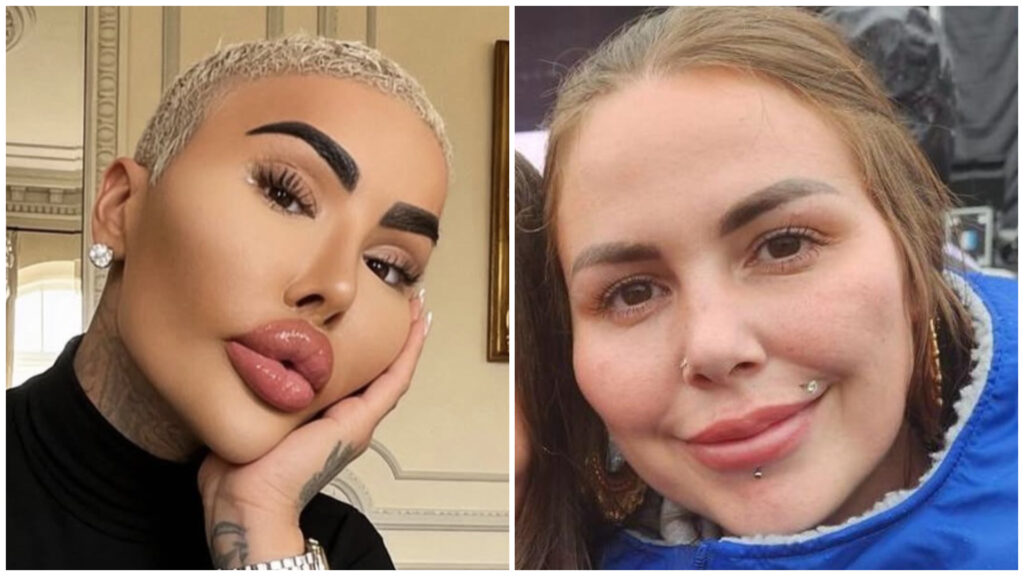
Excessive lip fillers create an unnatural “duck” appearance that can worsen with tissue sagging.
-
Over time, fillers may migrate, creating lumps or uneven contours.
-
Expert Tip: Start with small amounts, follow-up gradually, and choose hyaluronic acid fillers for reversibility.
-
-
Heavy Botox (Frozen Look)
-
Too much Botox in the forehead or around the eyes can result in a frozen expression, loss of natural movement, and asymmetry.
-
Muscle inactivity over years may alter facial dynamics, making the face look mask-like.
-
Expert Tip: Use small doses, target specific muscles, and maintain natural expressions.
-
-
Cheek and Jawline Overfilling
-
Overfilled cheeks or jawlines can sag as skin thins with age.
-
Hard or dense fillers may create unnatural contours over time.
-
Expert Tip: Consider moderate volumes and fillers with flexible structure to adapt to natural tissue changes.
-
-
Fat Grafting Without Maintenance
-
Fat injections can be partially reabsorbed, leaving uneven volume distribution.
-
Over time, gravity may exaggerate facial asymmetry.
-
Expert Tip: Combine with skin-tightening treatments and schedule follow-ups to maintain balance.
-
-
Certain Facial Implants
-
Cheek, chin, or jaw implants can shift or create rigidity that looks unnatural as soft tissue changes.
-
Implants may require removal or revision surgery years later.
-
Expert Tip: Ensure proper sizing, placement, and consult an experienced facial surgeon.
-
-
Permanent Fillers
-
Non-HA fillers like PMMA can harden, migrate, or produce lumps as tissue ages.
-
Reversal is often difficult and may require surgical correction.
-
Expert Tip: Use temporary or reversible fillers whenever possible.
-
-
Overly Aggressive Facelifts
-
Facelifts that over-tighten skin or ignore natural facial contours can create a windblown or unnatural look.
-
Skin thinning over time can exaggerate scarring or unnatural tightness.
-
Expert Tip: Choose experienced surgeons who prioritize subtle, natural results.
-
-
Excessive Lip or Facial Tattoos
-
Permanent makeup or microblading may fade unevenly or change color, especially with sun exposure.
-
Adjusting or removing pigment later can be challenging.
-
Expert Tip: Use reputable professionals and consider semi-permanent options for flexibility.
-
Factors Influencing Poor Aging of Procedures
-
Skin type and elasticity: Younger, firmer skin tolerates procedures better; thin or lax skin may reveal flaws sooner.
-
Lifestyle factors: Sun exposure, smoking, poor nutrition, and dehydration accelerate aging.
-
Genetics: Facial structure, bone density, and natural volume loss patterns affect long-term outcomes.
-
Maintenance: Procedures often require follow-up or touch-ups; neglect can exaggerate aging effects.
How to Avoid Cosmetic Regret
-
Consult Experienced Professionals:
-
Choose board-certified dermatologists or plastic surgeons with extensive track records.
-
-
Prioritize Natural Results:
-
Avoid overcorrection; small, subtle enhancements age better.
-
-
Understand Longevity:
-
Know how long fillers, Botox, or implants last, and plan touch-ups accordingly.
-
-
Consider Combination Treatments:
-
Use complementary procedures, such as skin-tightening treatments with fillers, to maintain harmony.
-
-
Follow a Holistic Skincare Routine:
-
Protect skin with SPF, hydration, antioxidants, and gentle care to extend procedure longevity.
-
Expert Opinions
-
Dr. Sarah Ahmed, Elite Aesthetic Clinic, London, UK (https://www.eliteaestheticclinic.co.uk) notes that patients seeking timeless results should focus on moderation and natural enhancement.
-
Dr. Miriam Njeri, Allure Laser Skin & Aesthetic Medicine Centre, Nairobi, Kenya (https://www.allurelcm.com) emphasizes understanding your facial structure and aging patterns before committing to permanent procedures.
Case Studies and Real-World Examples
-
Overfilled lips in early 20s that sag after 10 years
-
Frozen foreheads from excessive Botox in the 30s
-
Non-HA filler lumps requiring surgical correction in the 40s
These examples show the importance of planning, moderation, and choosing reversible or temporary options.
Trends vs Timeless Procedures
Some procedures may look great when trendy but fail over time:
-
Over-exaggerated lip augmentation
-
Extreme cheek or jaw fillers
-
Heavy microblading shapes
Timeless approaches include:
-
Subtle Botox in targeted muscles
-
Moderate, reversible fillers
-
Skin health maintenance and preventative care
While cosmetic procedures offer exciting ways to enhance appearance, not all age gracefully. Overfilled lips, excessive Botox, hard or permanent fillers, aggressive facelifts, and poorly placed implants often fail over time, leading to unnatural results or regrets.
The key to long-term satisfaction is moderation, careful planning, and professional guidance. Choosing reversible treatments, focusing on natural enhancement, and maintaining skin health ensures that cosmetic interventions complement aging rather than fight it unsuccessfully.
Cosmetic procedures should be long-term investments in confidence and beauty, not trends that risk looking unnatural with age. By understanding which treatments age poorly and following expert advice, patients can make choices that preserve elegance, balance, and natural beauty throughout their lives.