What Cosmetic Procedures Age Well?
Cosmetic procedures have become increasingly common as people look for ways to maintain youthful and healthy-looking skin. However, one of the biggest concerns people have before undergoing any aesthetic treatment is how the results will look over time. A procedure may produce impressive results initially, but if those results change dramatically with age, the outcome may not remain natural in the long run.
This concern has led many people to ask an important question: what cosmetic procedures age well? In other words, which treatments continue to look natural and beneficial years after they are performed?
The answer depends on several factors, including the type of procedure, the skill of the practitioner, the patient’s lifestyle, and how the body naturally ages. Some cosmetic treatments simply enhance natural features and stimulate the skin’s own repair processes. These procedures tend to age gracefully because they support the skin rather than dramatically altering facial structure.
Other procedures may provide quick results but require frequent maintenance to preserve their effects. Understanding which cosmetic procedures age well can help individuals make informed decisions and avoid treatments that may look unnatural over time.
Many dermatologists recommend choosing procedures that focus on skin health, collagen stimulation, and subtle enhancements rather than dramatic changes. Treatments that work with the skin’s natural aging process often produce the most satisfying long-term results.
Why Some Cosmetic Procedures Age Better Than Others
Not all cosmetic procedures interact with the aging process in the same way. Some treatments focus on stimulating the body’s natural collagen production, while others temporarily change facial volume or relax specific muscles.
Procedures that stimulate collagen tend to age well because collagen is one of the most important proteins responsible for maintaining skin elasticity and firmness. As people age, collagen production naturally decreases, which contributes to wrinkles and sagging skin. Treatments that encourage collagen renewal help slow down these visible signs of aging.
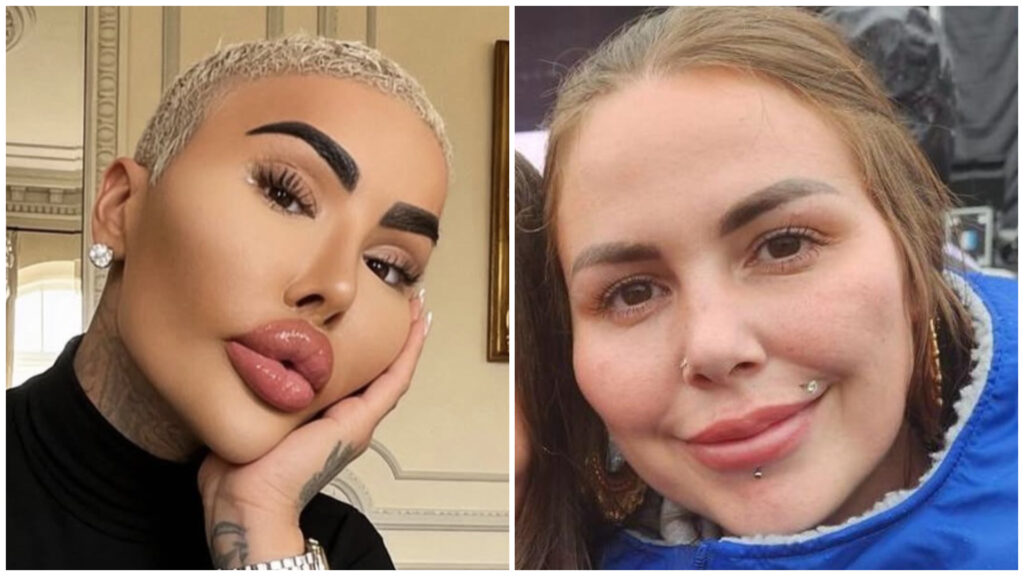
Another important factor is subtlety. Cosmetic procedures that produce natural-looking improvements often age better because they maintain facial balance and expression. Overly dramatic changes can sometimes become more noticeable as the face continues to age.
Additionally, treatments that can be gradually adjusted over time tend to produce better long-term outcomes. This allows dermatologists to adapt procedures to match changes in the face as a person grows older.
Botox as a Preventative Treatment
One of the most widely used cosmetic treatments is Botox. This injectable treatment works by temporarily relaxing facial muscles that cause expression lines, such as frown lines and crow’s feet.
When used appropriately, Botox can age well because it prevents wrinkles from becoming deeper over time. Many dermatologists recommend smaller, preventative doses rather than large amounts that completely freeze facial movement.
Preventative Botox has become especially popular among younger adults who want to slow the formation of dynamic wrinkles. When administered conservatively, Botox allows the face to maintain natural movement while reducing the appearance of lines.
The key to achieving results that age well with Botox is moderation. Excessive use can sometimes create an unnatural appearance, but subtle treatments performed by experienced professionals often maintain a natural look.
Dermal Fillers for Volume Restoration
Another commonly used treatment is Dermal Fillers. These injectable substances are designed to restore lost volume in areas such as the cheeks, lips, and under-eye region.
As people age, the face naturally loses fat and structural support. Dermal fillers can help restore this lost volume, creating a more youthful contour.
Many fillers contain Hyaluronic Acid, a substance that naturally occurs in the skin and helps retain moisture. Because the body gradually absorbs hyaluronic acid over time, these fillers provide temporary improvements that can be adjusted as facial features change.
When used strategically and in small amounts, dermal fillers can age well by maintaining facial balance. However, excessive filler use may lead to unnatural results, which is why careful treatment planning is important.
Microneedling and Collagen Stimulation
Treatments that stimulate the skin’s natural healing response often produce long-lasting improvements. One popular example is Microneedling.
Microneedling involves creating tiny micro-injuries in the skin using fine needles. These controlled injuries trigger the body’s healing process and encourage the production of collagen and elastin.
Over time, increased collagen production can improve skin texture, reduce the appearance of scars, and soften fine lines. Because the treatment stimulates the skin’s natural repair mechanisms, the results often develop gradually and appear very natural.
Many dermatologists consider microneedling to be a procedure that ages well because it improves the overall quality of the skin rather than dramatically altering facial structure.
Laser Skin Treatments
Laser-based treatments have also become popular for improving skin tone and texture. One example is Laser Skin Resurfacing, which uses concentrated beams of light to remove damaged skin layers and stimulate new cell growth.
Laser treatments can address a variety of concerns, including sun damage, pigmentation, and fine lines. By encouraging skin renewal and collagen production, these treatments often lead to smoother and more even skin.
When performed correctly, laser treatments can age well because they improve the health of the skin rather than simply masking imperfections.
However, as with any cosmetic procedure, results depend on proper aftercare and sun protection.
Chemical Peels for Long-Term Skin Improvement
Another treatment known for producing long-term improvements is the Chemical Peel. Chemical peels work by applying exfoliating acids to remove damaged outer layers of skin and promote new cell growth.
Depending on the strength of the peel, the treatment can improve acne scars, hyperpigmentation, uneven skin tone, and fine lines. Because chemical peels encourage cell turnover and collagen stimulation, they can enhance skin texture over time.
Regular but controlled use of chemical peels can help maintain a smoother and brighter complexion for many years.
Skincare and Maintenance After Cosmetic Procedures
Even the best cosmetic procedures require proper skincare to maintain results. Sun protection is one of the most important factors in preserving improvements made by aesthetic treatments.
Daily sunscreen helps prevent UV damage, which is a major contributor to premature aging. Hydrating skincare ingredients such as Hyaluronic Acid can also help maintain smooth and healthy skin.
Healthy lifestyle habits, including a balanced diet, regular sleep, and avoiding excessive sun exposure, also play an important role in maintaining cosmetic treatment results.
Choosing cosmetic procedures that age well requires careful consideration of both immediate results and long-term effects. Treatments that stimulate collagen, restore natural volume, and enhance skin health tend to provide the most natural and lasting improvements.
Procedures such as Botox, Dermal Fillers, Microneedling, Laser Skin Resurfacing, and Chemical Peel can all age well when performed appropriately and maintained with good skincare practices.
Ultimately, the most successful cosmetic treatments are those that enhance natural beauty rather than dramatically altering facial features. By focusing on procedures that support the skin’s natural aging process, individuals can achieve results that remain balanced, subtle, and attractive for many years.