Beauty product recalls in the United States are drawing increased attention from consumers and regulators alike. A series of safety alerts issued over the past few weeks has highlighted ongoing concerns around cosmetic storage, ingredient stability, and contamination risks across skincare, haircare, and hygiene products.
While recalls are not new to the beauty industry, the scale and nature of recent cases suggest deeper issues that extend beyond individual brands. From distributor level failures to long standing ingredient safety questions, early 2026 is shaping up to be a defining moment for cosmetic safety oversight in the US, with implications that reach well beyond American borders.
Distributor Recalls Expose Weak Points in the Supply Chain
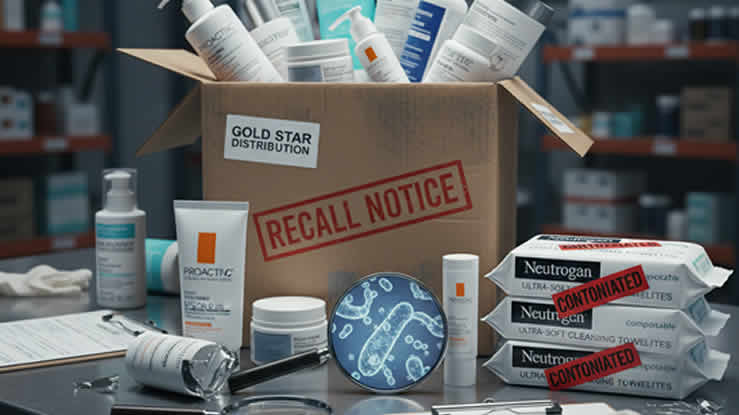
One of the most significant US beauty recalls this year involved products distributed across multiple states after inspections uncovered unsanitary warehouse conditions. Rather than targeting a single formulation, the recall affected a broad range of cosmetics and personal care products that shared the same storage environment.
This case has refocused industry discussions on the role distributors play in cosmetic safety. Once products leave manufacturing facilities, they may pass through several warehouses before reaching consumers. Any breakdown in sanitation or pest control during this stage can compromise otherwise compliant products, creating risks that are difficult to trace without aggressive regulatory action.
Ingredient Stability and Safety Under Continued Review
Ingredient safety remains a central concern in US cosmetic recalls. In early 2026, regulators issued warnings related to elevated levels of methyl eugenol in bar soaps, reigniting conversations around formulation limits and long term exposure risks.
Although methyl eugenol can occur naturally in certain botanical extracts, its presence above recommended thresholds has prompted increased scrutiny. This development highlights the growing need for consistent testing standards, particularly as demand for botanical and fragrance driven products continues to rise in both US and global markets.
You Might Like>>>What are the side effects of Titan Gel?
Benzene Contamination Keeps Acne Treatments Under Watch
Benzene contamination in benzoyl peroxide acne treatments continues to be a major focus of US safety monitoring in 2026. Several products remain under recall due to the detection of benzene, a chemical classified as a human carcinogen.
What concerns experts is not only the presence of benzene, but the conditions under which it may form. Heat exposure and prolonged storage can increase the likelihood of contamination, raising questions about how acne treatments are stored throughout the supply chain and in consumers’ homes.
Bacterial Contamination Raises Concerns for Medical Use Products
In addition to chemical contamination, bacterial risks are shaping the current recall landscape. An expanded US recall issued in 2026 involved multiple skin care and hygiene products after testing indicated possible contamination with Burkholderia cepacia.
This bacterium poses a particular risk in healthcare and caregiving settings, where products are used on compromised skin or vulnerable individuals. The fact that some recalled items have expiration dates extending into 2027 has raised alarm about how long contamination issues can persist before detection.
What US and Global Consumers Should Know
For US consumers, federal agencies continue to recommend immediately discontinuing any product included in an active recall, even if no irritation or reaction has occurred. Checking official recall databases remains the most reliable way to confirm product safety and determine refund or replacement options.
International readers should note that US recalls often influence regulatory decisions in other regions. Products distributed globally may be reformulated, relabeled, or withdrawn entirely following actions taken by US authorities, making these recalls relevant far beyond the American market.
Why This Year Marks a Turning Point for Cosmetic Safety
The volume and variety of beauty product recalls seen in early 2026 reflect a broader shift in how cosmetic safety is regulated and discussed. Greater attention is being placed on distributor accountability, ingredient stability over time, and the hidden risks that can develop long after a product reaches store shelves.
As consumer awareness grows, brands operating in the US and internationally may face increased pressure to strengthen testing protocols, improve storage transparency, and communicate more clearly about product safety. For beauty consumers, staying informed has become an essential part of responsible skincare and self care.