
Early 2026 has marked a clear shift in the Cosmetic Procedure landscape in the United States. While non surgical treatments continue to dominate in volume, the most talked about and fastest growing conversation among surgeons and patients centers on post weight loss body contouring. This movement is often referred to as the GLP 1 makeover, driven by the widespread use of weight loss medications such as semaglutide and tirzepatide.
As more people experience rapid and significant weight loss, a new set of aesthetic concerns has emerged. Loose skin, loss of firmness, and stubborn fat deposits are now at the forefront of patient consultations. Cosmetic procedures are evolving to meet these needs, with an emphasis on refinement, balance, and natural looking outcomes rather than dramatic transformation.
How GLP 1 Weight Loss Changed the Aesthetic Landscape
Medications like Ozempic, Wegovy, and Mounjaro have reshaped the weight loss journey for many patients. Unlike traditional weight loss methods, these medications often lead to faster results. While this can be life changing, it frequently leaves behind excess skin and changes in body proportions that diet and exercise alone cannot correct.
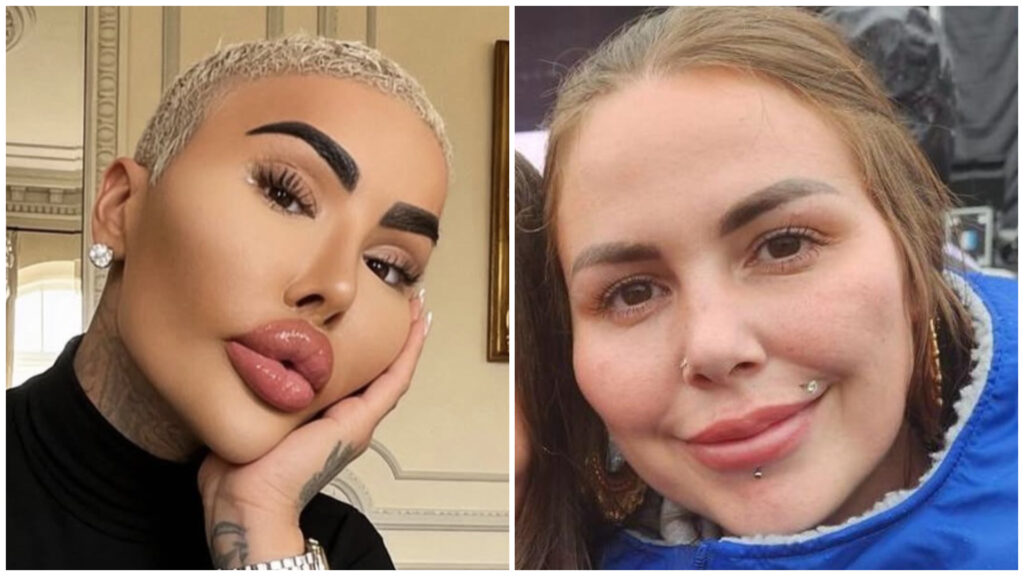
You might like>>>When Cosmetic Procedures Go Too Far
Plastic surgeons across the United States report a sharp increase in consultations from patients who feel healthier and lighter but not fully comfortable with their appearance. This has created a surge in demand for procedures designed to restore contour, firmness, and harmony to the body after major weight loss.
What Defines Post Weight Loss Body Contouring
Post weight loss body contouring refers to a group of surgical procedures that remove excess skin, reshape the body, and improve overall proportions. These procedures are highly individualized and often staged over time.
Common procedures include tummy tucks, circumferential or 360 body lifts, arm lifts, thigh lifts, targeted liposuction, and skin excision surgeries. The goal is not to create a new body but to refine what weight loss has already achieved. Surgeons are increasingly focused on preserving natural lines and avoiding an overdone appearance.
The Tummy Tuck Takes Center Stage
Among all post weight loss procedures, the tummy tuck remains the most requested. Abdominoplasty addresses loose skin, weakened abdominal muscles, and lingering fat in the midsection. For patients who have lost a large amount of weight, extended or circumferential tummy tucks are becoming more common.
These procedures offer a more comprehensive result by tightening the entire waistline rather than focusing only on the front of the abdomen. This approach reflects the broader 2026 trend toward balance and proportion instead of isolated fixes.
Body Lifts and Skin Removal Procedures Gain Momentum
As weight loss affects the entire body, skin laxity often appears in multiple areas. Body lifts are increasingly chosen to address the lower back, hips, thighs, and buttocks in one coordinated procedure. Arm and thigh lifts are also in high demand, especially for patients who feel limited in clothing choices or self confidence due to excess skin.
These surgeries are not about adding volume or exaggeration. They are about restoring comfort, mobility, and confidence while maintaining a natural silhouette.
A Shift Toward Subtle and Natural Results
One of the defining features of 2026 aesthetic trends is the move away from dramatic changes. Patients want to look like themselves, just more refined. Surgeons emphasize smooth transitions, minimal scarring when possible, and results that age well over time.
This philosophy applies across both surgical and non surgical treatments. The focus is on enhancement rather than alteration, with careful planning tailored to each individual body and lifestyle.
Facial Procedures Reflect the Same Philosophy
The trend toward natural results extends beyond the body to the face. Deep plane facelifts are gaining attention for their ability to lift and reposition facial structures without the tight or pulled look associated with older techniques. These procedures aim to restore facial balance rather than erase expression.
Facial fat grafting is also rising in popularity. By using the patient’s own fat to restore volume, surgeons can improve facial contours while supporting skin quality through regenerative benefits.
Smaller and More Natural Breast Enhancements
Breast procedures are evolving alongside body contouring trends. Many patients are choosing smaller implants, downsizing existing implants, or opting for fat transfer instead of traditional augmentation. This anatomy first approach prioritizes proportion, movement, and comfort.
The shift reflects a broader preference for results that align with the patient’s natural frame and lifestyle rather than chasing a specific aesthetic ideal.
Regenerative Treatments Support Long Term Results
Regenerative treatments such as PRP and PRF are becoming popular additions to surgical and non surgical plans. These treatments support skin quality, healing, and overall rejuvenation. They are often used alongside procedures to enhance recovery and improve texture and tone.
Patients are increasingly interested in treatments that support long term skin health rather than temporary fixes.
Non Surgical Treatments Remain Essential
Despite the surge in surgical body contouring, non surgical treatments continue to play a major role in aesthetics. Botox, fillers, microneedling, radiofrequency treatments, and laser skin tightening remain widely used.
What has changed is how these treatments are positioned. They are now seen as maintenance tools that complement larger transformations rather than standalone solutions for significant structural concerns.
Personalization Drives Treatment Planning
Personalization is at the core of 2026 cosmetic trends. Surgeons are spending more time understanding each patient’s weight loss journey, skin quality, health history, and aesthetic goals. Treatment plans are no longer one size fits all.
This individualized approach leads to safer procedures, better outcomes, and higher patient satisfaction.
What Patients Should Consider Before Moving Forward
Post weight loss body contouring is complex and requires careful planning. Patients are encouraged to reach a stable weight before pursuing surgery and to consult board certified plastic surgeons with experience in post weight loss cases.
Recovery time, scarring, and realistic expectations should all be discussed openly. Education and transparency are essential for achieving results that feel empowering rather than overwhelming.
As of early 2026, post weight loss body contouring stands as the most prominent cosmetic procedure trend in the United States. Driven by the rise of GLP 1 weight loss medications, this shift reflects a broader movement toward natural enhancement, personalization, and long term wellness.
Rather than chasing dramatic change, modern aesthetics focuses on refinement, balance, and confidence. For many patients, post weight loss contouring represents the final step in a transformative health journey, allowing them to fully align how they feel with how they look.